
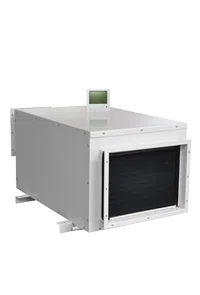
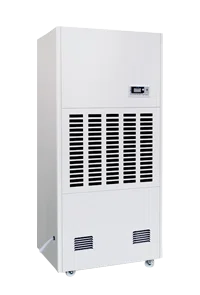
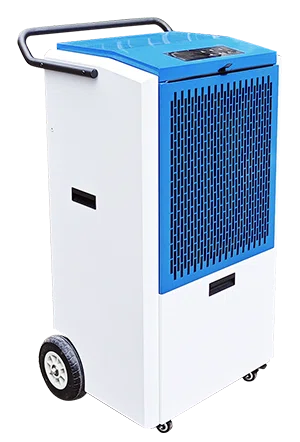
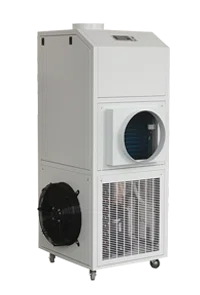
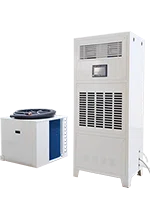
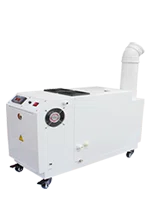
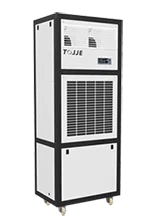
Wet Film Humidifiers for Data Center Humidity Control
Modern data centers rely on highly controlled environmental conditions to maintain stable server performance, prevent equipment damage, and ensure continuous operations. While temperature management often receives the most attention, humidity control is equally important in protecting sensitive electronic equipment.
Wet film humidifiers have become an effective solution for maintaining optimal humidity levels in data centers. These systems provide energy-efficient and reliable moisture control, helping reduce static electricity, prevent equipment failures, and improve overall operational stability.
As digital infrastructure continues expanding worldwide, wet film humidifiers are playing an increasingly important role in modern data center climate management systems.
Importance of Humidity Control in Data Centers
Maintaining proper humidity levels is essential for protecting servers, networking devices, and electronic components.
Preventing Static Electricity
Low humidity environments increase the risk of electrostatic discharge (ESD), which can damage sensitive electronic equipment and disrupt operations.
Reducing Condensation Risks
Excessively high humidity may lead to condensation, corrosion, and moisture-related equipment failures.
Improving Equipment Reliability
Stable humidity conditions help maintain optimal operating environments for servers and data storage systems.
Supporting Continuous Operations
Proper humidity management reduces the likelihood of downtime caused by environmental issues.
Ideal Humidity Levels for Data Centers
Most data centers aim to maintain relative humidity levels between 40% and 60%.
This range helps:
- Minimize static electricity buildup
- Prevent moisture condensation
- Improve equipment lifespan
- Support stable thermal performance
Wet film humidifiers help maintain these precise environmental conditions consistently.
How Wet Film Humidifiers Work in Data Centers
Wet film humidifiers introduce moisture into conditioned air through evaporative processes.
The typical operating process includes:
- Water flows across a wet media surface
- Air from the HVAC system passes through the moist film
- Natural evaporation increases humidity levels
- Conditioned air circulates throughout the data center
This process delivers efficient and uniform humidity control while consuming less energy than steam humidification systems.
Advantages of Wet Film Humidifiers for Data Centers
Energy Efficiency
Wet film humidifiers consume significantly less electricity compared to steam-based humidification systems because they rely on natural evaporation rather than heating water.
Stable Humidity Control
These systems provide consistent moisture distribution, reducing sudden humidity fluctuations that may affect sensitive equipment.
Lower Heat Generation
Unlike steam humidifiers, wet film systems add minimal heat to the air, helping reduce cooling loads within the data center.
Reduced Operating Costs
Lower energy consumption and simplified maintenance contribute to long-term operational savings.
Quiet Operation
Wet film humidifiers operate with minimal noise, making them suitable for controlled indoor environments.
Environmentally Friendly Operation
Many wet film humidifier systems use less energy and water, supporting sustainable building initiatives.
Applications of Wet Film Humidifiers in Data Centers
Server Rooms
Wet film humidifiers help maintain safe environmental conditions for rack-mounted servers and networking equipment.
Edge Computing Facilities
Smaller distributed data centers benefit from compact and energy-efficient humidity control systems.
Cloud Computing Infrastructure
Large-scale cloud service providers rely on precise humidity management to maintain equipment reliability.
Telecommunications Facilities
Humidity control is critical for telecom switching systems and communication hardware.
Colocation Data Centers
Multi-tenant facilities use wet film humidifiers to maintain stable environmental conditions across shared infrastructure spaces.
Wet Film Humidifiers and HVAC Integration
Modern wet film humidifiers are often integrated directly into HVAC systems for centralized environmental management.
Integrated systems may include:
- Smart humidity sensors
- Automated airflow adjustment
- Real-time environmental monitoring
- Building management system (BMS) integration
- Remote diagnostics and controls
This integration improves operational efficiency and allows facility managers to maintain precise climate control across the data center.
Technological Advancements in Wet Film Humidifiers
Modern wet film humidifier systems now incorporate advanced technologies such as:
- IoT-enabled monitoring
- AI-assisted environmental optimization
- Energy management controls
- Antimicrobial wet film materials
- Automated water quality management
- Predictive maintenance systems
These innovations improve system reliability, efficiency, and operational safety.
Water Quality Considerations
Maintaining proper water quality is essential for wet film humidifier performance.
Poor water quality may lead to:
- Mineral buildup
- Reduced evaporation efficiency
- Biological contamination
- Increased maintenance requirements
Many systems now include:
- Filtration systems
- Reverse osmosis water treatment
- UV sterilization
- Automatic flushing cycles
These features help maintain clean and reliable humidification performance.
Wet film humidifiers have become an important component of modern data center climate control systems. Their ability to provide stable, energy-efficient, and environmentally friendly humidity management makes them ideal for protecting sensitive electronic infrastructure.