
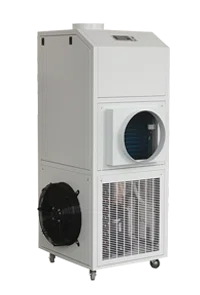
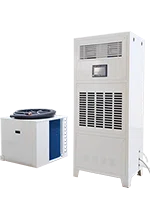
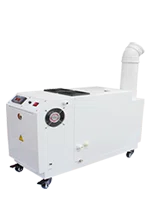
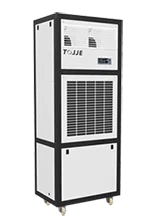
Thermostatic & Humidistat Units for Vaccine Storage Areas
Vaccines are highly sensitive biological products that require carefully controlled environmental conditions to maintain their safety, potency, and effectiveness. Temperature fluctuations and excessive humidity can damage vaccines, reduce shelf life, and compromise medical quality. For this reason, thermostatic and humidistat units play a critical role in vaccine storage facilities.
Modern vaccine storage systems rely on precise climate control technologies to ensure stable environmental conditions in refrigerators, cold rooms, pharmaceutical warehouses, and medical distribution centers. Thermostatic units regulate temperature, while humidistat units monitor and control humidity levels, creating safe storage environments for sensitive medical products.
Why Environmental Control Is Critical for Vaccine Storage
Vaccines contain biological ingredients that can become unstable when exposed to unsuitable conditions. Even short periods of improper storage may reduce vaccine effectiveness.
Proper environmental control helps:
- Maintain vaccine potency
- Prevent product degradation
- Ensure regulatory compliance
- Reduce product waste
- Improve patient safety
- Support reliable cold chain management
Healthcare organizations, pharmaceutical manufacturers, hospitals, and distribution centers depend on advanced environmental control systems to maintain strict storage standards.
Understanding Thermostatic & Humidistat Units
Importance of Temperature Control in Vaccine Storage
Different vaccines require different storage temperatures depending on their formulation and stability requirements.
Common vaccine storage conditions include:
- Refrigerated storage (2°C to 8°C)
- Frozen storage (-15°C to -50°C)
- Ultra-low temperature storage (-70°C or lower)
Thermostatic units ensure precise temperature regulation to prevent harmful fluctuations.
Importance of Humidity Control in Vaccine Storage Areas
Although temperature is the primary concern, humidity management is also essential in pharmaceutical storage facilities.
Excessive humidity may lead to:
- Condensation inside storage equipment
- Corrosion of refrigeration components
- Mold and microbial growth
- Packaging deterioration
- Sensor malfunctions
Low humidity levels can also create static electricity risks in electronic monitoring systems.
Humidistat units help maintain balanced environmental conditions for both vaccines and storage equipment.
Applications of Thermostatic & Humidistat Units in Vaccine Storage
Pharmaceutical Cold Rooms
Large pharmaceutical storage facilities use advanced climate control systems to maintain stable conditions for bulk vaccine inventories.
Thermostatic and humidistat units help ensure:
- Uniform temperature distribution
- Controlled humidity levels
- Reliable long-term storage performance
Medical Refrigerators and Freezers
Hospitals, pharmacies, and laboratories use medical-grade refrigeration systems equipped with integrated thermostatic controls.
These systems support:
- Accurate temperature regulation
- Continuous environmental monitoring
- Alarm systems for temperature deviations
Vaccine Distribution Centers
Cold chain logistics require stable environmental conditions during vaccine transportation and temporary storage.
Climate control systems help maintain product integrity throughout the supply chain.
Research Laboratories
Biomedical research facilities often store sensitive biological materials and vaccine samples requiring highly controlled environments.
Thermostatic and humidistat units provide precision climate management for laboratory applications.
Mobile Vaccine Storage Units
Portable vaccine storage systems used in emergency response and remote healthcare operations depend on compact environmental control technologies for safe transport and storage.
Benefits of Thermostatic & Humidistat Units for Vaccine Storage
Precise Environmental Stability
Automated climate control systems maintain highly stable storage conditions with minimal fluctuations.
Improved Vaccine Safety
Proper environmental management helps preserve vaccine quality and effectiveness.
Regulatory Compliance
Healthcare and pharmaceutical industries must follow strict storage regulations established by organizations such as:
- World Health Organization (WHO)
- Centers for Disease Control and Prevention (CDC)
- Food and Drug Administration (FDA)
Advanced monitoring systems support compliance with storage standards.
Reduced Product Loss
Temperature excursions and humidity problems can lead to expensive vaccine waste. Reliable climate control minimizes product loss.
Energy Efficiency
Modern thermostatic and humidistat systems use intelligent controls to optimize cooling and humidity management while reducing energy consumption.
Advanced Features in Modern Climate Control Units
Digital Monitoring Systems
Modern units provide real-time environmental monitoring with digital displays and remote access capabilities.
Alarm and Notification Systems
Integrated alarms alert personnel immediately when temperature or humidity conditions move outside acceptable ranges.
Data Logging and Reporting
Advanced systems record environmental data for compliance documentation and quality assurance purposes.
Remote Monitoring and IoT Integration
Internet-connected climate control systems allow facility managers to monitor storage conditions remotely using mobile devices or centralized control systems.
Smart Automation
AI-driven systems can optimize environmental control settings automatically based on usage patterns and external conditions.
Thermostatic & humidistat units are essential components in vaccine storage areas, providing precise environmental control to protect sensitive medical products. By maintaining stable temperature and humidity conditions, these systems help preserve vaccine potency, support regulatory compliance, reduce product waste, and improve patient safety.