
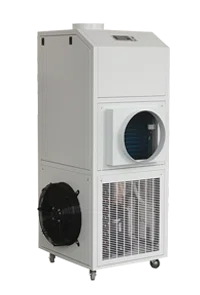
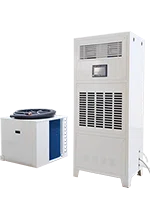
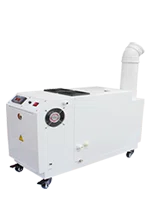
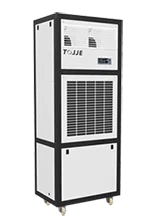
The Role of Industrial Dehumidifiers in Preserving Sensitive Equipment
In industrial and manufacturing environments, sensitive equipment such as precision instruments, electrical panels, and machinery can be highly vulnerable to moisture. Excess humidity can lead to corrosion, mold growth, reduced performance, and even complete equipment failure. This is where industrial dehumidifiers play a critical role, ensuring that sensitive equipment remains functional and reliable over time.
Understanding the Impact of Humidity
High humidity levels can cause several issues for industrial equipment:
- Corrosion: Moisture accelerates the oxidation process in metals, leading to rust and weakening structural components.
- Electrical Failures: Water vapor can create condensation on circuits, potentially causing short circuits or malfunctioning sensors.
- Mold and Microbial Growth: Sensitive materials, including textiles and polymers, are prone to mold growth in damp conditions, which can compromise both quality and hygiene.
- Reduced Lifespan: Continuous exposure to humidity can degrade equipment over time, leading to increased maintenance costs and early replacements.
How Industrial Dehumidifiers Help
Industrial dehumidifiers are designed to maintain a controlled level of humidity in large spaces, protecting equipment from the adverse effects of moisture. Key benefits include:
- Moisture Control: Industrial dehumidifiers extract excess water vapor from the air, keeping humidity levels within optimal ranges.
- Temperature Stability: By reducing condensation, dehumidifiers help maintain consistent operating temperatures for sensitive machinery.
- Cost Savings: Preventing corrosion and electrical issues reduces repair and replacement costs, improving overall operational efficiency.
- Compliance with Standards: Many industries, such as pharmaceuticals and electronics, require strict environmental controls that dehumidifiers help maintain.
Applications Across Industries
Industrial dehumidifiers are widely used in sectors where equipment sensitivity is critical:
- Electronics Manufacturing: Protecting circuit boards and semiconductor fabrication tools.
- Pharmaceuticals: Ensuring production environments are free from moisture that could compromise drug quality.
- Food Processing: Preventing condensation in packaging and storage areas.
- Aerospace and Automotive: Preserving precision instruments, testing equipment, and assembly lines.
Choosing the Right Industrial Dehumidifier
When selecting a dehumidifier for sensitive equipment, consider the following factors:
- Capacity: The unit should handle the humidity load of the space effectively.
- Environment: Temperature extremes, airflow, and dust levels can affect performance.
- Energy Efficiency: High-capacity units can consume significant power, so efficiency matters.
- Maintenance: Easy-to-clean filters and serviceability reduce downtime.
Maintaining optimal humidity levels is essential for preserving sensitive industrial equipment. Industrial dehumidifiers are more than just comfort devices—they are a crucial investment in operational reliability, equipment longevity, and cost savings. By carefully selecting and implementing the right dehumidifier, businesses can protect their assets from moisture-related risks and ensure smooth, uninterrupted operations.