
The Role of Industrial Dehumidifiers in Food Processing Plants
Maintaining proper humidity levels is critical in food processing plants. Excess moisture can lead to contamination, product spoilage, and equipment damage. Industrial dehumidifiers play a vital role in controlling environmental conditions, ensuring food safety, and optimizing production efficiency.
Why Humidity Control Matters in Food Processing
Food products are highly sensitive to environmental conditions, especially moisture. High humidity levels can:
- Promote the growth of mold, bacteria, and pathogens
- Cause condensation on equipment and surfaces
- Reduce product shelf life and quality
- Lead to packaging failures and labeling issues
By maintaining controlled humidity, manufacturers can meet strict hygiene standards and regulatory requirements.
Key Functions of Industrial Dehumidifiers
1. Preventing Microbial Growth
Industrial dehumidifiers reduce moisture in the air, creating an environment that inhibits the growth of harmful microorganisms. This is essential for maintaining food safety and compliance with industry regulations.
2. Protecting Product Quality
Excess humidity can alter the texture, taste, and appearance of food products. Dehumidification ensures consistency in product quality, especially for moisture-sensitive items like powders, grains, and dried foods.
3. Eliminating Condensation
Condensation on ceilings, walls, and machinery can drip into food products, causing contamination. Industrial dehumidifiers help eliminate this risk by stabilizing air moisture levels.
4. Enhancing Equipment Efficiency
Moisture can corrode machinery and reduce operational efficiency. By controlling humidity, dehumidifiers extend equipment lifespan and reduce maintenance costs.
Applications in Food Processing Plants
Industrial dehumidifiers are widely used across various areas in food processing facilities:
- Drying and Packaging Areas: Prevent moisture absorption during packaging
- Cold Storage Facilities: Reduce frost buildup and improve refrigeration efficiency
- Meat and Dairy Processing: Maintain hygienic conditions and prevent bacterial growth
- Baking and Confectionery: Ensure consistent texture and prevent stickiness
- Grain and Powder Handling: Avoid clumping and spoilage
Types of Industrial Dehumidifiers Used
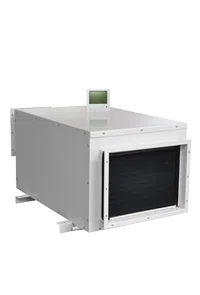
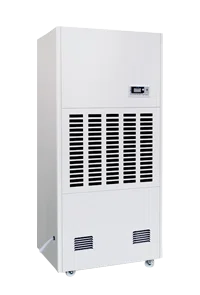
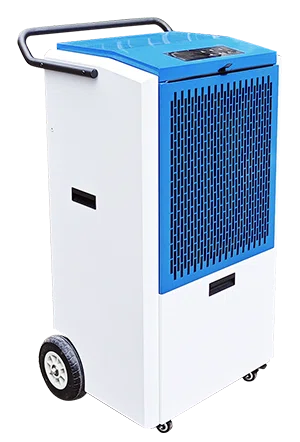
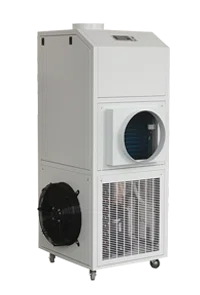
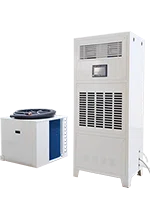
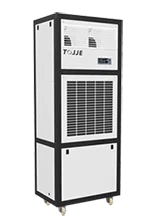
Refrigerant Dehumidifiers
Ideal for moderate temperatures and humidity levels, these systems condense moisture from the air using cooling coils.
Desiccant Dehumidifiers
Designed for low-temperature and low-humidity environments, desiccant systems use moisture-absorbing materials to remove water vapor efficiently.
Benefits for Food Processing Operations
Implementing industrial dehumidification systems offers multiple advantages:
- Improved food safety and regulatory compliance
- Extended product shelf life
- Reduced waste and product loss
- Lower maintenance and operational costs
- Enhanced worker comfort and productivity
Energy Efficiency and Sustainability
Modern industrial dehumidifiers are equipped with energy-saving technologies such as:
- Smart humidity sensors and automated controls
- Heat recovery systems
- Variable speed fans
These features help reduce energy consumption while maintaining optimal performance, supporting sustainable manufacturing practices.
Choosing the Right Dehumidification System
When selecting an industrial dehumidifier for a food processing plant, consider:
- Facility size and layout
- Required humidity levels
- Temperature conditions
- Type of food products processed
- Energy efficiency requirements
A properly sized and configured system ensures maximum efficiency and cost-effectiveness.
Industrial dehumidifiers are essential in food processing plants, where precise humidity control directly impacts product quality, safety, and operational efficiency. By investing in the right dehumidification system, manufacturers can protect their products, comply with regulations, and improve overall productivity.