
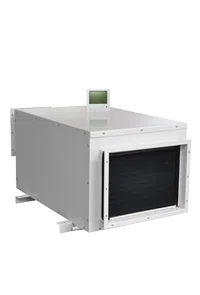
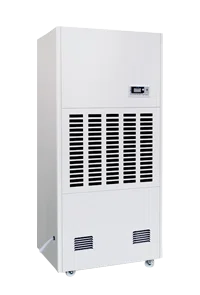
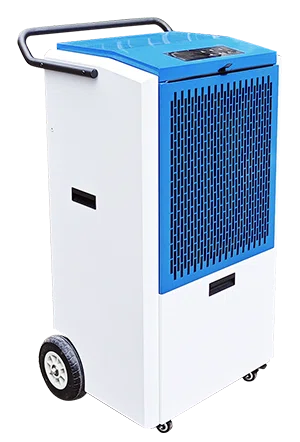
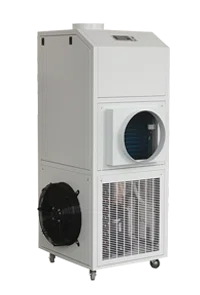
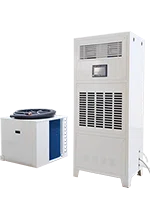
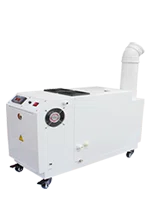
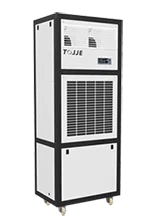
The Rise of Energy-Saving Industrial Dehumidifiers
In today’s industrial landscape, energy efficiency is no longer optional—it is a necessity. Rising energy costs, stricter environmental regulations, and the global push toward sustainability are driving industries to adopt smarter solutions. Among these, energy-saving industrial dehumidifiers have emerged as a key technology for maintaining optimal humidity while reducing operational costs.
From manufacturing plants to warehouses and data centers, businesses are increasingly turning to advanced dehumidification systems that deliver both performance and efficiency.
Why Energy Efficiency Matters in Industrial Dehumidification
Industrial dehumidifiers traditionally consume significant amounts of energy due to continuous operation in large spaces. However, inefficient humidity control can lead to even greater losses, including:
- Product spoilage and material degradation
- Equipment corrosion and failure
- Reduced production efficiency
- Increased maintenance costs
Energy-saving dehumidifiers address these challenges by optimizing moisture control while minimizing power consumption, making them a cost-effective long-term investment.
Key Technologies Behind Energy-Saving Industrial Dehumidifiers
1. Advanced Refrigeration Systems
Modern refrigerant-based dehumidifiers are designed with high-efficiency compressors and heat exchangers. These systems:
- Maximize moisture removal per unit of energy
- Operate effectively across varying temperature ranges
- Reduce overall electricity consumption
2. Desiccant Dehumidification Technology
Desiccant dehumidifiers use moisture-absorbing materials to remove humidity from the air. Energy-efficient models feature:
- Low regeneration energy requirements
- Improved rotor materials
- Heat recovery integration
These systems are especially effective in low-temperature environments where traditional systems struggle.
3. Smart Control and Automation
The integration of intelligent control systems is a major driver of energy savings. Features include:
- Humidity sensors with real-time monitoring
- Automatic adjustment based on environmental conditions
- Programmable operation schedules
Smart systems ensure that dehumidifiers only operate when needed, avoiding unnecessary energy use.
4. Heat Recovery Systems
Energy-saving dehumidifiers often incorporate heat recovery mechanisms that reuse waste heat generated during operation. Benefits include:
- Reduced heating costs
- Improved overall system efficiency
- Lower environmental impact
Applications Across Industries
Manufacturing
Maintaining precise humidity levels is critical for product quality, especially in industries such as electronics, automotive, and textiles. Energy-efficient systems help ensure consistency while lowering operational costs.
Warehousing and Logistics
Moisture control prevents mold growth, packaging damage, and inventory loss. Energy-saving dehumidifiers provide continuous protection without excessive energy consumption.
Food and Pharmaceutical Industries
Strict humidity control is essential for compliance and product safety. Efficient dehumidification ensures stable conditions while reducing energy expenses.
Data Centers
Humidity fluctuations can damage sensitive electronic equipment. Energy-efficient dehumidifiers help maintain optimal conditions while supporting sustainability goals.
Benefits of Energy-Saving Industrial Dehumidifiers
- Lower Operating Costs: Reduced energy consumption directly translates into cost savings
- Environmental Sustainability: Lower carbon footprint and compliance with green standards
- Improved Equipment Lifespan: Reduced wear and corrosion
- Enhanced Product Quality: Stable humidity ensures consistent production outcomes
- Smart Operation: Automation reduces manual intervention
The rise of energy-saving industrial dehumidifiers reflects a broader shift toward sustainable and intelligent industrial operations. By combining advanced technologies such as smart controls, heat recovery, and high-efficiency components, these systems deliver reliable humidity control with significantly reduced energy consumption.