
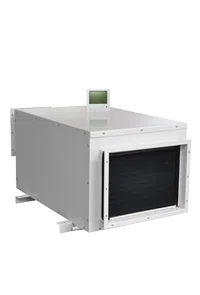
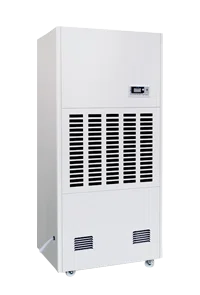
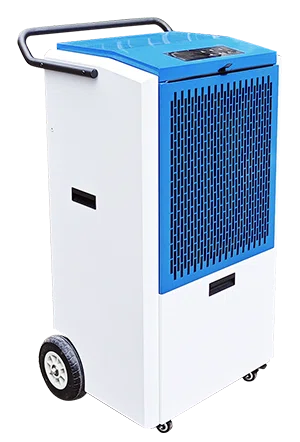
Rotary Dehumidifier Systems for Reliable Moisture Control
Humidity control is essential in many industrial and commercial environments where excess moisture can damage products, affect production quality, and promote corrosion or mold growth. Traditional dehumidification methods may struggle in low-temperature or low-humidity conditions, making advanced solutions necessary.
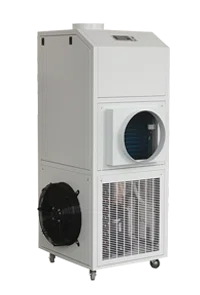
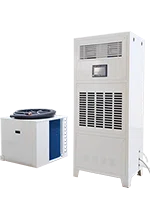
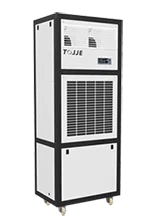
Rotary dehumidifier systems, also known as desiccant rotor dehumidifiers, provide reliable and efficient moisture control across a wide range of industries. These systems use a rotating desiccant wheel to remove moisture from the air, delivering stable humidity levels even in challenging environments.
Because of their efficiency and adaptability, rotary dehumidifiers are widely used in manufacturing plants, warehouses, pharmaceutical facilities, food processing industries, and data centers.
How Rotary Dehumidifiers Work
The operation of a rotary dehumidifier system can be divided into three main stages:
Moisture Absorption
Humid air enters the system and passes through the desiccant rotor. The desiccant material absorbs moisture from the air, producing dry process air that is then delivered to the controlled environment.
Rotor Rotation
The desiccant rotor slowly rotates, moving saturated sections of the wheel into the regeneration zone.
Desiccant Regeneration
Hot regeneration air removes the absorbed moisture from the rotor. The moisture-laden air is then exhausted outside the system, preparing the rotor to absorb moisture again.
This continuous cycle ensures consistent humidity control.
Key Advantages of Rotary Dehumidifier Systems
Reliable Performance in Extreme Conditions
Unlike conventional refrigerant dehumidifiers, rotary systems perform efficiently in low temperatures and low humidity levels, making them ideal for specialized industrial applications.
Precise Humidity Control
Rotary dehumidifiers can maintain extremely low humidity levels, even reaching very low dew points, which is essential for industries requiring strict environmental control.
Continuous Operation
Because the rotor continuously regenerates itself, rotary systems can operate for long periods without interruption, providing stable moisture control.
Energy Efficiency
Modern rotary dehumidifier systems are designed with energy recovery technologies and optimized airflow systems, reducing overall energy consumption.
Industrial Applications of Rotary Dehumidifiers
Manufacturing Facilities
Many manufacturing processes require controlled humidity to maintain product quality. Rotary dehumidifiers are commonly used in:
- Electronics manufacturing
- Battery production
- Plastic processing
- Pharmaceutical production
Maintaining low humidity helps prevent defects and ensures stable production conditions.
Warehouses and Storage Facilities
High humidity in storage areas can cause:
- Product deterioration
- Packaging damage
- Mold growth
Rotary dehumidifier systems help protect stored goods such as food products, chemicals, and sensitive equipment.
Food Processing Industry
Moisture control is essential in food processing environments to prevent contamination and maintain hygiene standards. Rotary dehumidifiers help regulate humidity levels in:
- Food production lines
- Dry storage areas
- Packaging facilities
Data Centers and Electronics Facilities
Electronic equipment is highly sensitive to humidity fluctuations. Rotary dehumidifiers help maintain a stable environment, preventing condensation and protecting critical infrastructure.
Factors to Consider When Choosing a Rotary Dehumidifier
Selecting the right rotary dehumidifier system depends on several factors:
- Required humidity level and dew point
- Airflow capacity
- Operating temperature range
- Energy consumption requirements
- Installation environment
A properly designed system ensures efficient moisture control and long-term operational reliability.
Rotary dehumidifier systems provide a reliable and efficient solution for moisture control in demanding industrial and commercial environments. By using advanced desiccant rotor technology, these systems can maintain stable humidity levels even in extreme conditions.