
ROI of Industrial Dehumidifiers in Manufacturing Plants
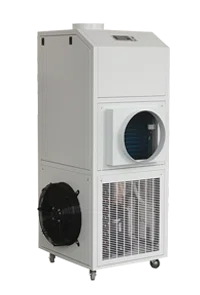
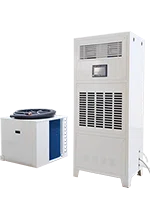
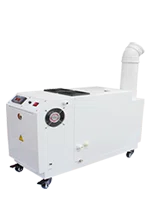
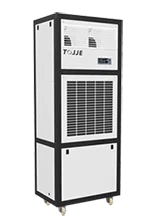
Humidity control is a critical yet often overlooked factor in manufacturing efficiency. Excess moisture can damage equipment, compromise product quality, and increase operational costs. Industrial dehumidifiers provide a reliable solution, helping manufacturers maintain optimal environmental conditions while delivering measurable return on investment (ROI).
Why Humidity Control Matters in Manufacturing
Product Quality Assurance
High humidity can lead to defects such as corrosion, warping, and contamination. Industrial dehumidifiers ensure consistent environmental conditions, protecting product integrity across production cycles.
Equipment Protection
Moisture accelerates rust and wear in machinery. By controlling humidity levels, manufacturers can extend equipment lifespan and reduce repair costs.
Workplace Safety
Lower humidity levels help prevent mold growth and slippery surfaces, creating a safer and healthier work environment.
Key Cost Factors Affected by Dehumidifiers
1. Reduced Maintenance and Downtime
Industrial dehumidifiers minimize moisture-related equipment failures. This leads to fewer production interruptions and lower maintenance expenses.
2. Energy Efficiency Optimization
Modern dehumidifiers are designed with energy-saving technologies. When integrated into HVAC systems, they improve overall energy efficiency by reducing the load on cooling systems.
3. Lower Material Waste
Moisture-sensitive materials such as paper, textiles, and chemicals are less likely to be damaged, reducing scrap rates and improving yield.
4. Labor Productivity
Stable humidity levels create a more comfortable working environment, enhancing employee productivity and reducing fatigue-related errors.
Real-World Applications
Food Processing Plants
Humidity control prevents spoilage and maintains hygiene standards.
Pharmaceutical Manufacturing
Precise humidity levels are essential for product stability and regulatory compliance.
Electronics Production
Dehumidifiers protect sensitive components from moisture damage and static issues.
Warehousing and Storage
Maintaining proper humidity prevents inventory degradation and packaging damage.
Advanced Technologies Driving ROI
Smart Dehumidification Systems
IoT-enabled systems allow real-time monitoring and automation, ensuring optimal performance with minimal manual intervention.
Desiccant vs Refrigerant Systems
Choosing the right type of dehumidifier based on environmental needs can significantly impact efficiency and ROI.
Integration with Smart Manufacturing
Dehumidifiers can be integrated into Industry 4.0 systems, enabling predictive maintenance and data-driven decision-making.
Long-Term Financial Benefits
- Extended equipment lifespan
- Improved product consistency and reduced returns
- Enhanced compliance with industry standards
- Lower insurance and risk management costs
Challenges to Consider
- High upfront investment
- Need for proper system sizing
- Regular maintenance requirements
However, these challenges are typically outweighed by long-term savings and operational improvements.
Industrial dehumidifiers are not just a cost—they are a strategic investment in manufacturing efficiency. By reducing waste, protecting equipment, and improving product quality, they deliver a strong and measurable ROI. As manufacturing continues to evolve toward smarter and more sustainable operations, the role of industrial dehumidification systems will only become more significant.