
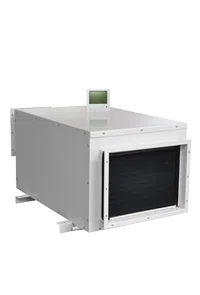
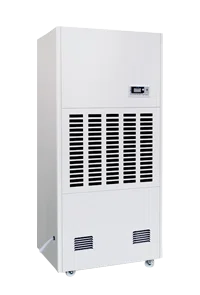
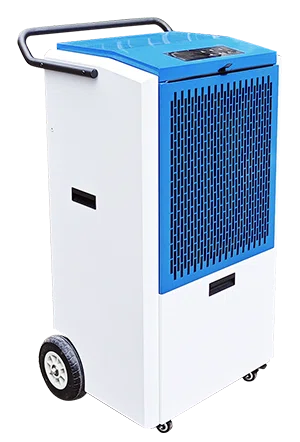
Reducing Energy Consumption with Smart Thermostatic & Humidistat Units
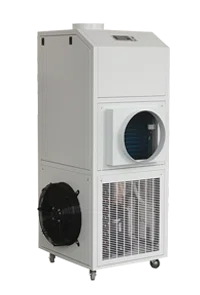
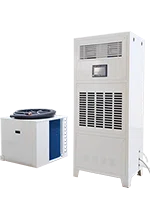
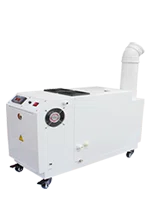
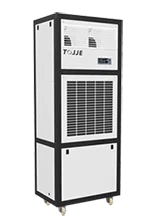
Energy efficiency has become a top priority for industrial facilities and commercial buildings striving to reduce operational costs and carbon emissions. Traditional temperature and humidity control systems often rely on fixed setpoints and manual adjustments, leading to unnecessary energy consumption. Smart thermostatic and humidistat units provide an advanced solution by dynamically optimizing climate control based on real-time environmental conditions.
The Energy Challenge in Temperature and Humidity Control
Heating, cooling, humidification, and dehumidification account for a significant portion of total energy use in HVAC and industrial environmental control systems. In many installations, temperature and humidity are controlled independently, resulting in conflicting control actions and wasted energy. Poor sensor accuracy, slow response times, and lack of coordination further increase energy consumption.
How Smart Thermostatic & Humidistat Units Reduce Energy Use
- Integrated Control Logic
- Adaptive Setpoint Management
- High-Accuracy Sensors
- Demand-Based Operation
Smart units combine temperature and humidity control into a coordinated strategy, preventing simultaneous heating and dehumidification or cooling and humidification. This integrated logic minimizes redundant energy use.
Instead of static thresholds, smart controllers adjust setpoints based on occupancy, production schedules, or ambient conditions. This adaptive approach ensures energy is used only when and where it is needed.
Advanced digital sensors provide precise and fast measurements, reducing overshoot and cycling. Stable control directly translates into lower compressor, heater, and fan runtime.
Smart thermostatic and humidistat units modulate equipment output rather than operating in simple on/off modes. Variable-speed fans, compressors, and valves operate more efficiently at partial loads.
Integration with Building and Process Control Systems
Modern smart units are designed for seamless integration with Building Management Systems (BMS), PLCs, and energy monitoring platforms. Through centralized control and data analytics, operators can identify inefficiencies, optimize control strategies, and continuously improve energy performance across multiple zones or facilities.
Applications with High Energy-Saving Potential
Smart thermostatic and humidistat units are particularly effective in environments where precise climate control is essential:
- Industrial dehumidification and drying processes
- Data centers and telecom rooms
- Warehouses and logistics centers
- Pharmaceutical and food processing facilities
- Museums, archives, and laboratories
In these applications, even small improvements in control accuracy can lead to substantial energy savings over time.
Quantifying Energy Savings
Facilities that upgrade from conventional controllers to smart thermostatic and humidistat units often report energy reductions ranging from 10% to 30%, depending on system configuration and operating conditions. Continuous monitoring and data-driven optimization further enhance long-term savings.
Smart thermostatic and humidistat units play a vital role in reducing energy consumption without compromising comfort or process stability. By integrating temperature and humidity control, leveraging accurate sensors, and enabling adaptive operation, these intelligent systems help facilities achieve sustainable, cost-effective climate control.
Energy efficiency has become a top priority for industrial facilities and commercial buildings striving to reduce operational costs and carbon emissions. Traditional temperature and humidity control systems often rely on fixed setpoints and manual adjustments, leading to unnecessary energy consumption. Smart thermostatic and humidistat units provide an advanced solution by dynamically optimizing climate control based on real-time environmental conditions.
The Energy Challenge in Temperature and Humidity Control
Heating, cooling, humidification, and dehumidification account for a significant portion of total energy use in HVAC and industrial environmental control systems. In many installations, temperature and humidity are controlled independently, resulting in conflicting control actions and wasted energy. Poor sensor accuracy, slow response times, and lack of coordination further increase energy consumption.
How Smart Thermostatic & Humidistat Units Reduce Energy Use
- Integrated Control Logic
- Adaptive Setpoint Management
- High-Accuracy Sensors
- Demand-Based Operation
Smart units combine temperature and humidity control into a coordinated strategy, preventing simultaneous heating and dehumidification or cooling and humidification. This integrated logic minimizes redundant energy use.
Instead of static thresholds, smart controllers adjust setpoints based on occupancy, production schedules, or ambient conditions. This adaptive approach ensures energy is used only when and where it is needed.
Advanced digital sensors provide precise and fast measurements, reducing overshoot and cycling. Stable control directly translates into lower compressor, heater, and fan runtime.
Smart thermostatic and humidistat units modulate equipment output rather than operating in simple on/off modes. Variable-speed fans, compressors, and valves operate more efficiently at partial loads.
Integration with Building and Process Control Systems
Modern smart units are designed for seamless integration with Building Management Systems (BMS), PLCs, and energy monitoring platforms. Through centralized control and data analytics, operators can identify inefficiencies, optimize control strategies, and continuously improve energy performance across multiple zones or facilities.
Applications with High Energy-Saving Potential
Smart thermostatic and humidistat units are particularly effective in environments where precise climate control is essential:
- Industrial dehumidification and drying processes
- Data centers and telecom rooms
- Warehouses and logistics centers
- Pharmaceutical and food processing facilities
- Museums, archives, and laboratories
In these applications, even small improvements in control accuracy can lead to substantial energy savings over time.
Quantifying Energy Savings
Facilities that upgrade from conventional controllers to smart thermostatic and humidistat units often report energy reductions ranging from 10% to 30%, depending on system configuration and operating conditions. Continuous monitoring and data-driven optimization further enhance long-term savings.
Smart thermostatic and humidistat units play a vital role in reducing energy consumption without compromising comfort or process stability. By integrating temperature and humidity control, leveraging accurate sensors, and enabling adaptive operation, these intelligent systems help facilities achieve sustainable, cost-effective climate control.