
Protecting Sensitive Components with Industrial Dehumidifiers
Moisture is one of the most overlooked threats in modern manufacturing. Even slight fluctuations in humidity can damage sensitive components, reduce product reliability, and increase production costs. From semiconductor chips and printed circuit boards (PCBs) to optical lenses and pharmaceutical products, maintaining the proper humidity level is essential for ensuring quality and performance.
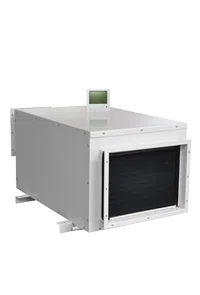
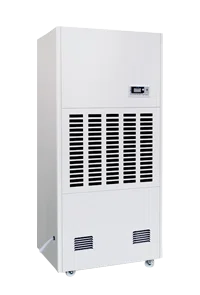
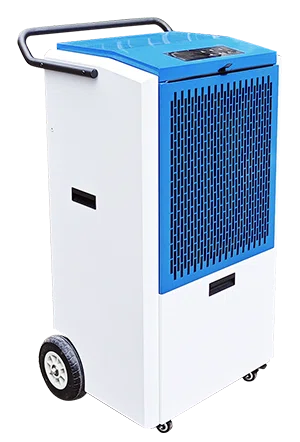
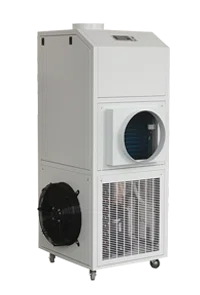
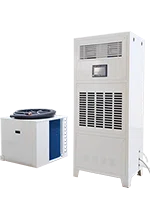
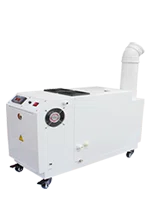
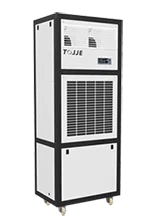
An industrial dehumidifier provides a reliable solution by controlling airborne moisture, creating a stable production environment, and protecting valuable materials throughout manufacturing, storage, and transportation.
How Industrial Dehumidifiers Work
Industrial dehumidifiers remove excess moisture from the air and maintain a predetermined relative humidity (RH).
Depending on the application, systems typically use one of two technologies:
Refrigerant Dehumidifiers
Refrigerant systems cool moist air below its dew point, allowing water vapor to condense and drain away.
Advantages:
-
Energy efficient in warm environments
-
Cost-effective operation
-
Suitable for warehouses and general manufacturing
-
Easy maintenance
Desiccant Dehumidifiers
Desiccant systems use moisture-absorbing materials, such as silica gel, to capture water vapor directly from the air.
Advantages:
-
Excellent performance at low temperatures
-
Extremely low humidity capability
-
Ideal for cleanrooms and dry rooms
-
Stable operation in demanding industrial environments
Sensitive Components That Require Humidity Control
Electronic Components
Electronic products are particularly vulnerable to moisture.
Applications include:
-
Printed circuit boards (PCBs)
-
Semiconductor chips
-
Integrated circuits
-
Connectors
-
Sensors
-
Display modules
Controlled humidity helps prevent corrosion, oxidation, and electrical failures while improving manufacturing yields.
Optical Components
Precision optical products require clean, dry environments to maintain performance.
Examples include:
-
Optical lenses
-
Camera modules
-
Laser optics
-
Infrared lenses
-
Optical filters
-
Fiber optic connectors
Proper humidity control prevents condensation, coating defects, and fungal growth on optical surfaces.
Lithium Battery Manufacturing
Battery production requires extremely dry environments because moisture reacts with sensitive electrode materials.
Industrial dehumidifiers support:
-
Dry room operations
-
Cell assembly
-
Electrolyte filling
-
Battery storage
-
Quality inspection
Maintaining ultra-low humidity improves battery safety, capacity, and service life.
Pharmaceutical Products
Pharmaceutical manufacturing relies on strict environmental control to meet regulatory standards.
Industrial dehumidifiers help protect:
-
Tablets
-
Capsules
-
Powder formulations
-
Medical devices
-
Packaging materials
Stable humidity prevents moisture absorption and preserves product integrity.
Precision Metal Components
Metal parts exposed to humid air may develop corrosion before assembly.
Industries benefiting from humidity control include:
-
Aerospace
-
Automotive
-
Medical equipment
-
Precision machining
-
Defense manufacturing
Dry storage extends component lifespan and reduces material waste.
Benefits of Industrial Dehumidifiers
Improved Product Quality
Stable humidity helps manufacturers achieve:
-
Consistent production results
-
Higher product reliability
-
Better surface finishes
-
Reduced defect rates
-
Enhanced customer satisfaction
Reduced Equipment Corrosion
Industrial machinery represents a significant investment.
Humidity control helps protect:
-
CNC machines
-
Assembly equipment
-
Inspection systems
-
Robotic production lines
-
Conveyors
Reduced corrosion lowers maintenance costs and extends equipment life.
Lower Production Costs
Moisture-related defects often lead to:
-
Product rework
-
Material waste
-
Production downtime
-
Increased labor costs
-
Customer returns
Industrial dehumidifiers reduce these expenses by maintaining optimal environmental conditions.
Better Storage Conditions
Warehouses storing moisture-sensitive products benefit from controlled humidity.
Common storage applications include:
-
Electronic components
-
Pharmaceuticals
-
Chemicals
-
Packaging materials
-
Precision instruments
-
Raw materials
Humidity control preserves inventory quality during long-term storage.
Industries That Benefit from Industrial Dehumidifiers
Electronics Manufacturing
Humidity control protects sensitive assemblies and ensures consistent product quality.
Semiconductor Production
Ultra-low humidity environments reduce contamination and improve fabrication yields.
Pharmaceutical Manufacturing
Controlled humidity supports Good Manufacturing Practice (GMP) compliance and product stability.
Aerospace Industry
Sensitive avionics and precision components require moisture-free environments during manufacturing and storage.
Automotive Manufacturing
Humidity control protects sensors, electronic modules, and precision mechanical parts used in modern vehicles.
Data Centers
Industrial dehumidifiers help reduce condensation risks, protecting servers, networking equipment, and power systems from moisture-related failures.
Industrial dehumidifiers play a critical role in protecting sensitive components across industries such as electronics, pharmaceuticals, optics, battery manufacturing, aerospace, and precision engineering. By maintaining stable humidity levels, they minimize corrosion, prevent moisture-related defects, protect valuable equipment, and improve overall production efficiency.
As manufacturing standards continue to rise, investing in the right industrial dehumidification system is more than a way to control moisture—it is a strategic decision that enhances product reliability, reduces lifecycle costs, and supports long-term operational excellence.