
Preventing Mold and Mildew in Industrial Spaces with Industrial Dehumidifiers
Excess moisture is a hidden threat in industrial environments. From warehouses and manufacturing plants to food processing and pharmaceutical facilities, high humidity levels create the perfect conditions for mold and mildew growth. These issues not only damage products and infrastructure but also pose serious health risks.
Industrial dehumidifiers provide a reliable and efficient solution for maintaining optimal humidity levels and preventing microbial growth.
Why Mold and Mildew Are a Serious Problem in Industrial Spaces
1. Product Damage
Moisture can ruin sensitive goods such as paper, textiles, electronics, and packaged foods. Mold contamination often leads to product loss and financial setbacks.
2. Equipment Corrosion
High humidity accelerates corrosion in machinery, reducing lifespan and increasing maintenance costs.
3. Health and Safety Risks
Mold spores can affect indoor air quality, causing respiratory problems and allergic reactions among workers.
4. Regulatory Compliance Issues
Industries like pharmaceuticals and food processing must meet strict environmental standards. Uncontrolled humidity can result in compliance violations.
How Industrial Dehumidifiers Prevent Mold and Mildew
1. Controlling Relative Humidity
Industrial dehumidifiers maintain humidity levels below 60%, which is critical for inhibiting mold growth.
2. Continuous Moisture Removal
Unlike residential units, industrial systems are designed for large-scale, continuous operation in demanding environments.
3. Uniform Air Distribution
Advanced systems ensure even moisture control across large spaces, preventing localized damp areas.
4. Integration with HVAC Systems
Modern industrial dehumidifiers can be integrated with HVAC systems for automated climate control.
Types of Industrial Dehumidifiers for Mold Prevention
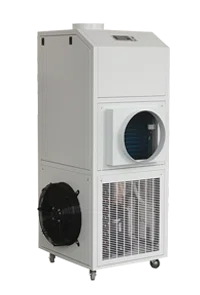
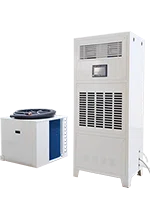
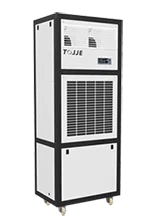
Refrigerant Dehumidifiers
- Best for moderate temperature environments
- Energy-efficient for general industrial use
Desiccant Dehumidifiers
- Ideal for low-temperature and low-humidity conditions
- Highly effective in critical environments like pharmaceuticals
Key Applications Across Industries
Warehouses and Storage Facilities
Prevent moisture damage to stored goods and packaging materials.
Food Processing Plants
Maintain hygiene standards and prevent contamination.
Pharmaceutical Manufacturing
Ensure compliance with strict environmental regulations.
Electronics Manufacturing
Protect sensitive components from moisture-related damage.
Best Practices for Effective Humidity Control
- Monitor Humidity Levels: Use sensors to track real-time conditions
- Set Optimal RH Levels: Keep relative humidity between 40%–60%
- Regular Maintenance: Clean filters and inspect systems periodically
- Proper System Sizing: Choose a dehumidifier suited to your facility size
- Airflow Management: Ensure proper ventilation and circulation
Benefits of Using Industrial Dehumidifiers
- Prevent mold and mildew growth
- Improve indoor air quality
- Extend equipment lifespan
- Reduce maintenance and operational costs
- Ensure regulatory compliance
Preventing mold and mildew in industrial spaces is essential for maintaining product quality, protecting infrastructure, and ensuring worker safety. Industrial dehumidifiers offer a powerful, long-term solution by controlling humidity levels and creating a stable environment.