
Preventing Moisture Damage in Storage Facilities with Industrial Dehumidifiers
Moisture is a common challenge in warehouses and storage facilities. Excessive humidity can contribute to corrosion, mold growth, packaging deterioration, product quality problems, and damage to stored equipment. For facilities storing moisture-sensitive goods over extended periods, maintaining stable humidity levels is an important part of inventory protection.
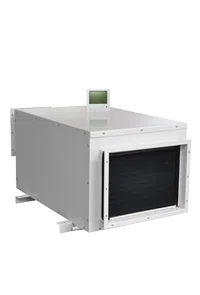
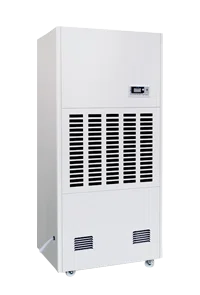
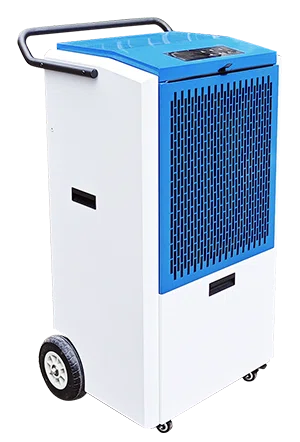
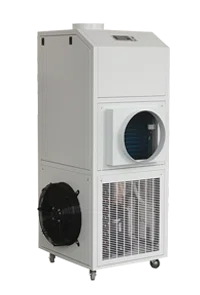
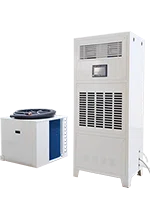
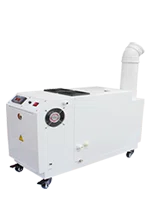
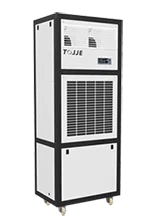
Industrial dehumidifiers provide an effective solution by continuously removing excess moisture from the air. With the right system and operating strategy, storage facilities can create a more stable environment and reduce humidity-related risks.
How Excess Moisture Affects Storage Facilities
High humidity can affect both stored products and the building environment. When warm, humid air comes into contact with cooler surfaces, condensation may occur. Persistent moisture can then create conditions that encourage corrosion, mold, and material deterioration.
Common moisture-related problems include:
-
Rust and corrosion on metal products
-
Mold and mildew growth
-
Deterioration of cardboard packaging
-
Damage to paper-based products
-
Clumping or degradation of hygroscopic materials
-
Condensation on equipment and storage surfaces
-
Reduced product shelf life
These issues can result in product losses, additional maintenance, and higher operating costs.
Key Benefits of Industrial Dehumidification
1. Protecting Stored Products
Many products are sensitive to humidity during long-term storage. Maintaining suitable humidity conditions can help preserve materials, packaging, components, and finished products.
2. Reducing Corrosion
Metal components, machinery, tools, and spare parts can be vulnerable to corrosion in humid environments. Moisture control helps reduce the amount of water vapor available to condense on metal surfaces.
3. Controlling Mold and Mildew
High humidity can create favorable conditions for biological growth. Industrial dehumidifiers help maintain a drier environment, supporting better storage hygiene.
4. Protecting Packaging Materials
Cardboard boxes, paper packaging, labels, and other moisture-sensitive materials can weaken or deform when exposed to excessive humidity. Stable environmental conditions can help maintain packaging integrity.
5. Improving Inventory Management
Preventing humidity-related deterioration can reduce product waste and unnecessary replacements. This allows storage facilities to manage inventory more efficiently over longer periods.
Preventive Maintenance for Industrial Dehumidifiers
Regular maintenance helps maintain consistent dehumidification performance. Filters, coils, fans, drainage systems, desiccant components, and sensors should be inspected according to the equipment manufacturer's recommendations.
Early detection of clogged filters, drainage problems, abnormal operating conditions, or reduced moisture-removal capacity can help prevent unexpected downtime.
Industrial dehumidifiers are an important tool for preventing moisture damage in storage facilities. By controlling excess humidity, they can help protect products, packaging, metal components, and equipment from corrosion, mold, condensation, and other moisture-related problems.
For the best results, facility managers should consider building size, temperature, moisture load, target relative humidity, and stored-product requirements when selecting a system. Combined with regular monitoring and preventive maintenance, industrial dehumidification can support safer, more reliable, and more efficient long-term storage.