
Preventing Inventory Damage with Industrial Dehumidifiers
Warehouses and storage facilities play a critical role in protecting valuable inventory before products reach customers. However, excessive humidity and moisture can create serious risks, including mold growth, corrosion, packaging deterioration, and product quality issues.
Maintaining proper humidity levels is essential for industries that store sensitive materials such as electronics, pharmaceuticals, food products, textiles, paper goods, chemicals, and mechanical components.
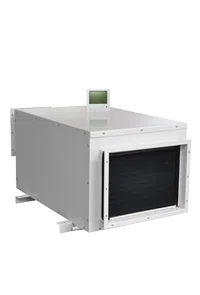
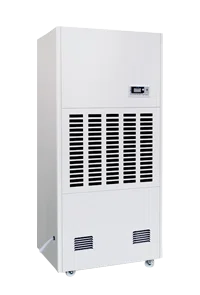
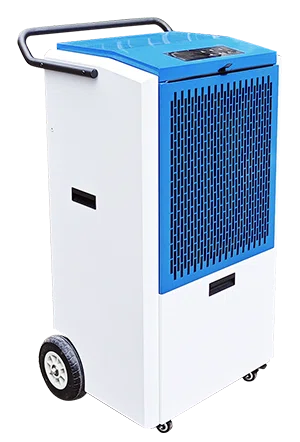
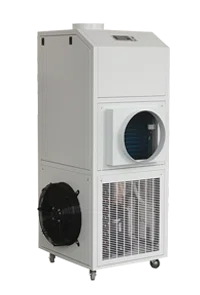
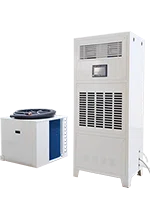
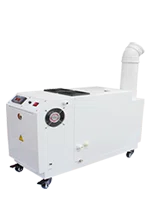
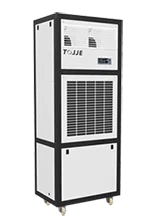
Industrial dehumidifiers provide an effective solution by removing excess moisture from the air and creating stable storage environments. Through continuous humidity control, these systems help businesses reduce inventory losses, improve product reliability, and maintain long-term storage quality.
How Industrial Dehumidifiers Prevent Inventory Damage
1. Reducing Excess Moisture in Storage Areas
Industrial dehumidifiers remove water vapor from the air, helping maintain recommended humidity levels.
By controlling moisture levels, they prevent:
-
Condensation on products
-
Moisture absorption
-
Surface dampness
-
Storage-related deterioration
Stable humidity conditions help protect inventory throughout long storage periods.
2. Preventing Mold and Mildew Growth
High humidity creates an ideal environment for mold and mildew development.
Products especially vulnerable to moisture damage include:
-
Food packaging
-
Textiles
-
Wooden materials
-
Paper products
-
Pharmaceuticals
Industrial dehumidifiers reduce the moisture required for fungal growth, helping maintain cleaner and safer storage environments.
3. Protecting Metal Products from Corrosion
Metal components and equipment are highly sensitive to moisture exposure.
Excess humidity can accelerate oxidation, causing:
-
Rust formation
-
Surface degradation
-
Reduced product lifespan
-
Increased maintenance costs
Industrial dehumidification helps protect:
-
Automotive parts
-
Machinery components
-
Tools
-
Metal raw materials
by maintaining a dry storage environment.
4. Preserving Packaging Quality
Packaging materials often serve as the first protection layer for products.
High humidity can damage:
-
Cardboard boxes
-
Paper labels
-
Adhesive materials
-
Protective packaging films
Humidity control helps maintain packaging strength, appearance, and performance during storage and transportation.
Applications of Industrial Dehumidifiers in Different Storage Industries
Electronics Storage
Electronic products require strict humidity management because moisture can damage sensitive components.
Industrial dehumidifiers help prevent:
-
Circuit corrosion
-
Electrical failures
-
Static-related issues
-
Component degradation
They are widely used in:
-
Electronics warehouses
-
Semiconductor storage facilities
-
Equipment rooms
Food and Beverage Warehouses
Food products often require controlled storage conditions to maintain freshness and safety.
Industrial dehumidifiers help:
-
Reduce condensation
-
Prevent packaging deterioration
-
Control microbial risks
-
Maintain product quality
They are especially useful in:
-
Dry food storage
-
Cold storage facilities
-
Processing warehouses
Pharmaceutical Storage
Pharmaceutical products require stable environmental conditions to maintain effectiveness.
Industrial dehumidification systems support:
-
Temperature and humidity control
-
Product stability
-
Regulatory compliance
-
Safe storage practices
Textile and Paper Storage
Textiles and paper products easily absorb moisture from the air.
Excess humidity can cause:
-
Fabric mildew
-
Paper deformation
-
Color changes
-
Material weakening
Industrial dehumidifiers help preserve product quality during long-term storage.
Machinery and Spare Parts Storage
Industrial facilities often store valuable machinery components and replacement parts.
Humidity control helps prevent:
-
Rust damage
-
Mechanical failures
-
Reduced equipment lifespan
This is particularly important for spare parts that may remain unused for extended periods.
Benefits of Using Industrial Dehumidifiers in Warehouses
Lower Inventory Losses
By preventing moisture-related damage, businesses can reduce product waste and replacement costs.
Improved Product Quality
Stable humidity conditions help maintain:
-
Product appearance
-
Material performance
-
Packaging integrity
Reduced Maintenance Costs
Moisture control minimizes damage to:
-
Storage equipment
-
Shelving systems
-
Machinery
-
Infrastructure
Better Storage Efficiency
Controlled environments allow warehouses to operate more reliably, especially when storing sensitive products.
Smart Industrial Dehumidifiers for Modern Warehouses
With the development of smart manufacturing and warehouse automation, advanced industrial dehumidifiers now offer intelligent monitoring capabilities.
Modern systems may include:
-
Real-time humidity monitoring
-
Automatic humidity adjustment
-
Remote control functions
-
Data recording and analysis
-
Integration with building management systems
These features help facility managers maintain optimal storage conditions with less manual intervention.
Industrial dehumidifiers provide an effective solution for preventing inventory damage caused by excessive humidity. By controlling moisture levels, these systems protect products from mold, corrosion, packaging deterioration, and other storage-related risks.
For warehouses handling sensitive materials, investing in reliable industrial dehumidification technology can improve product quality, reduce operational costs, and create a more stable storage environment.