
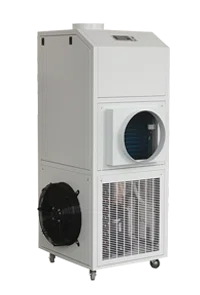
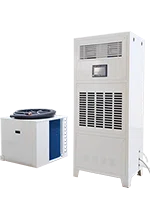
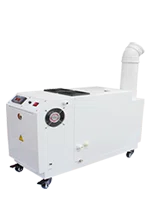
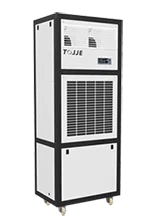
Portable Dehumidifiers for Construction Sites and Building Drying
Moisture control is a critical challenge in the construction industry. Excess humidity and trapped water in building materials can delay project timelines, weaken structural integrity, and lead to long-term issues such as mold growth and material degradation.
Portable dehumidifiers have become an essential solution for construction site moisture control and building drying applications. They provide flexible, fast, and efficient humidity reduction in environments where fixed HVAC systems are not yet available.
How Portable Dehumidifiers Work in Building Drying
Portable dehumidifiers accelerate drying by removing excess moisture from the air.
Working process:
-
Warm, humid air is drawn into the unit
-
Moisture is condensed on cooling coils
-
Water is collected in a tank or drained externally
-
Dry air is released back into the environment
This continuous cycle significantly speeds up drying of construction materials.
Benefits for Construction Sites
Portable dehumidifiers provide multiple advantages for builders and contractors:
1. Faster Project Completion
-
Speeds up drying of concrete, plaster, and coatings
-
Reduces waiting time between construction phases
2. Improved Material Quality
-
Prevents moisture-related damage
-
Enhances long-term durability of structures
3. Reduced Mold Risk
-
Controls humidity levels in enclosed spaces
-
Prevents mold growth in walls and flooring
4. Flexible Deployment
-
Easy to move between rooms or floors
-
Suitable for both large and small construction sites
Applications in Building Drying
Portable dehumidifiers are widely used across various construction stages:
1. New Construction Projects
-
Drying freshly poured concrete
-
Moisture control in newly built interiors
2. Renovation Projects
-
Removing trapped humidity in old structures
-
Preparing surfaces for painting or finishing
3. Water Damage Restoration
-
Drying flooded buildings
-
Restoring moisture-affected materials
4. Interior Finishing Work
-
Ensuring optimal humidity before flooring installation
-
Supporting paint and plaster curing
Advantages Over Traditional Drying Methods
Compared to natural ventilation or heating systems, portable dehumidifiers offer:
-
Faster and more controlled drying
-
Lower energy consumption than constant heating
-
No dependency on weather conditions
-
More consistent humidity regulation
This makes them more reliable for time-sensitive construction projects.
Energy Efficiency and Cost Benefits
Modern portable dehumidifiers are designed for efficient operation:
Key benefits:
-
Low power consumption relative to output
-
Reduced need for rework due to moisture damage
-
Shorter project timelines reduce labor costs
-
Improved overall site productivity
By accelerating drying, they help reduce total construction costs.
Key Features to Look for in Construction Use
When selecting a portable dehumidifier for construction sites, consider:
1. High Extraction Capacity
-
Suitable for large volumes of moist air
2. Durability
-
Resistant to dust, vibration, and harsh environments
3. Continuous Drainage Option
-
Ideal for long-term unattended operation
4. Mobility
-
Wheels and compact design for easy relocation
5. Automatic Humidity Control
-
Maintains stable indoor conditions without manual adjustment
Industrial and Commercial Impact
Portable dehumidifiers are widely used beyond residential applications:
Industries benefiting include:
-
Construction and engineering
-
Real estate development
-
Disaster recovery services
-
Warehouse and storage facilities
They play a key role in maintaining structural quality and operational efficiency.
Portable dehumidifiers are an essential tool for modern construction sites and building drying processes. Their ability to efficiently control humidity helps prevent structural damage, reduce project delays, and improve overall building quality.