
Mold Prevention in Buildings Using Commercial Dehumidifiers
Mold growth is a common and costly problem in commercial and residential buildings. Excess humidity creates the perfect environment for mold spores to thrive, leading to health risks, structural damage, and expensive repairs. Commercial dehumidifiers offer an effective solution by controlling moisture levels and maintaining a safe indoor environment.
Why Mold Develops in Buildings
Mold requires three main conditions to grow: moisture, organic material, and suitable temperatures. Buildings often provide all three, especially in areas such as basements, bathrooms, kitchens, and poorly ventilated spaces.
Common causes of excess moisture include:
- High indoor humidity levels
- Water leaks or flooding
- Poor ventilation systems
- Condensation on walls and windows
Without proper humidity control, mold can begin to develop within 24–48 hours.
The Role of Commercial Dehumidifiers
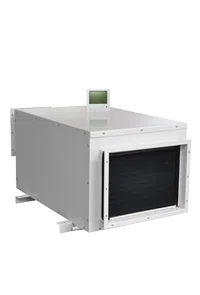
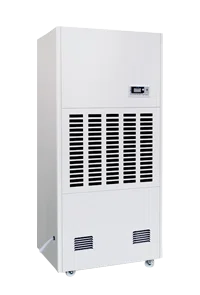
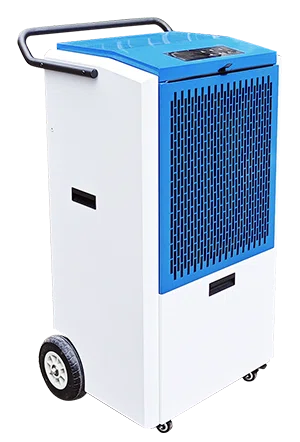
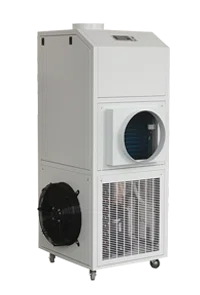
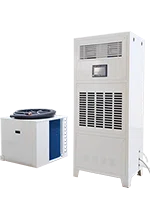
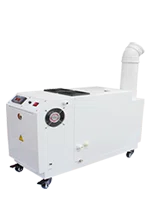
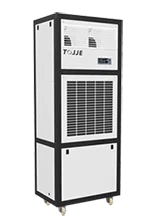
Commercial dehumidifiers are designed to remove excess moisture from the air, maintaining optimal humidity levels (typically between 30% and 50%). By reducing humidity, these systems disrupt the conditions necessary for mold growth.
1. Controlling Humidity Levels
Commercial dehumidifiers continuously extract moisture, preventing the damp conditions that encourage mold formation.
2. Preventing Condensation
By stabilizing air moisture, dehumidifiers reduce condensation on surfaces, which is a major contributor to mold development.
3. Improving Indoor Air Quality
Lower humidity levels help minimize airborne mold spores, improving overall indoor air quality and creating a healthier environment.
4. Protecting Building Materials
Moisture can damage wood, drywall, insulation, and other materials. Dehumidification preserves structural integrity and extends the lifespan of building components.
Key Areas Where Dehumidifiers Are Essential
Commercial dehumidifiers are particularly important in moisture-prone areas:
- Basements and Crawl Spaces: Prevent dampness and hidden mold growth
- Warehouses and Storage Areas: Protect inventory and packaging
- Office Buildings: Maintain a comfortable and healthy workspace
- Hotels and Hospitality Facilities: Ensure guest safety and comfort
- Healthcare Facilities: Meet strict hygiene and air quality standards
Types of Commercial Dehumidifiers
Refrigerant Dehumidifiers
Best suited for warm environments, these systems remove moisture by cooling air and condensing water vapor.
Desiccant Dehumidifiers
Ideal for low-temperature or low-humidity conditions, these systems use absorbent materials to capture moisture effectively.
Benefits of Using Commercial Dehumidifiers for Mold Prevention
Implementing commercial dehumidification systems offers several advantages:
- Reduces the risk of mold growth and spread
- Protects occupant health by improving air quality
- Prevents costly structural damage and repairs
- Enhances comfort and productivity in indoor spaces
- Supports compliance with building and health regulations
Energy Efficiency and Smart Controls
Modern commercial dehumidifiers feature advanced technologies such as:
- Digital humidity sensors for precise control
- Automatic operation and scheduling
- Energy-efficient compressors and fans
- Integration with building management systems (BMS)
These features help maintain optimal humidity while minimizing energy consumption.
Tips for Effective Mold Prevention
To maximize the effectiveness of commercial dehumidifiers:
- Maintain indoor humidity between 30%–50%
- Regularly inspect and service equipment
- Address water leaks immediately
- Ensure proper ventilation throughout the building
- Use dehumidifiers in combination with HVAC systems
Mold prevention is essential for maintaining safe, healthy, and durable buildings. Commercial dehumidifiers provide a reliable and efficient solution by controlling humidity levels and eliminating excess moisture. By investing in the right system and implementing proper maintenance practices, building owners can protect both their property and occupants from the harmful effects of mold.