
Invisible Climate Control: The Rise of Ceiling Mounted Dehumidifiers
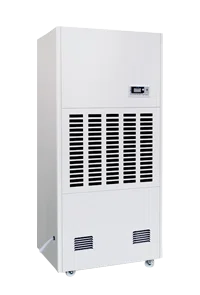
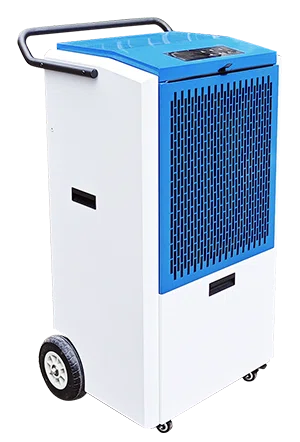
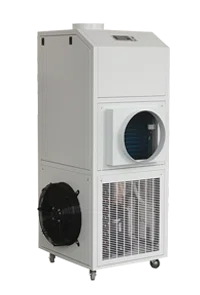
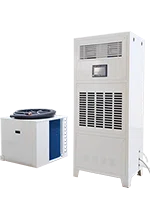
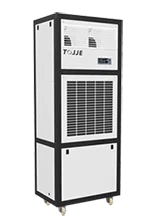
Humidity control has traditionally been delivered by floor-standing or wall-mounted dehumidifiers—functional but visually intrusive, space-consuming, and often noisy. As modern buildings shift toward minimalist design, optimized spatial efficiency, and seamless environmental control, overhead dehumidification has emerged as a transformative solution.
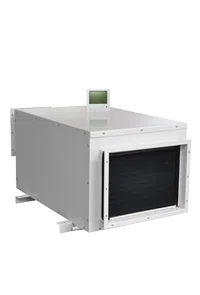
Ceiling mounted dehumidifiers deliver what architects and engineers increasingly demand: invisible climate control that protects infrastructure, preserves comfort, and frees valuable floor space, all while integrating quietly into the built environment.
Why "Invisible" Matters in Modern Climate Systems
Invisible climate technology is no longer about aesthetics alone—it directly impacts operational efficiency and user experience:
- Unobstructed floor plans improve occupancy value in hotels, offices, retail spaces, and medical facilities.
- Hidden airflow paths reduce drafts and enhance comfort perception.
- Low visual and acoustic footprint aligns with premium building design and high-traffic commercial expectations.
- Discreet installation protects sensitive overhead assets such as pipes, electrical trays, HVAC ducts, and radar-based tank gauging systems—areas you often explore in industrial sensing and insulation reliability.
The result is climate control that users feel but never see, and infrastructure protection that happens without interference.
Core Advantages Driving Adoption
1 Floor Space Optimization
Ceiling units eliminate the footprint of traditional dehumidifiers. This is especially valuable in:
- Commercial interiors where rentable area defines ROI
- Corridors, lobbies, and compact utility rooms
- Work zones with mobile LED display trucks, robotics paths, or modular equipment bays
- Cold storage facilities and insulated pipeline networks, where humidity causes hidden damage long before it becomes visible
2 Superior Drainage and Condensate Management
Overhead installation pairs naturally with:
- Gravity-assisted drainage
- Built-in condensate pumps
- Auto-drain and anti-overflow designs
- Centralized condensate plumbing to reduce manual maintenance
3 Reduced Noise and Vibration
Since ceiling mounted dehumidifiers operate away from occupants, engineers can apply additional measures like:
- Vibration-isolated hangers
- Acoustic damping mounts
- Optimized fan balancing
- Encapsulated compressor chambers
This delivers quieter operation than most floor units, even when high capacity dehumidification is required.
4 Continuous Protection for Overhead Critical Assets
Humidity risks often concentrate in overhead zones:
- Insulated chilled or heated pipelines
- Metal structures prone to corrosion under insulation (CUI)
- Cold bridge areas around valves, flanges, and joints
- Condensing surfaces that trap moisture invisibly
Ceiling mounted dehumidifiers intercept humidity at the source, reducing condensation load and prolonging insulation service life.
Sustainability and Future Trends
The shift toward overhead dehumidification aligns tightly with the future of building operations:
- Lower HVAC energy burden by reducing moisture load early
- Longer insulation and equipment lifespan, reducing replacement waste
- Modular overhead installation, enabling reuse during retrofits or redeployment
- Smart monitoring, reducing service costs and preventing unnoticed failures
As humidity control evolves, the goal is no longer simply removing moisture—it is about eliminating humidity invisibly, intelligently, and sustainably.
The era of disruptive humidity control is ending. The future belongs to systems that work quietly above us, delivering comfort we feel and protection we rarely notice—until the day we realize nothing ever went wrong.