
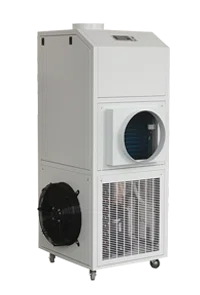
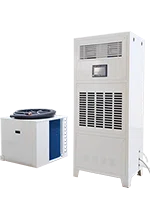
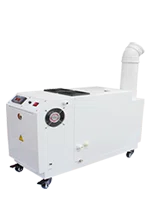
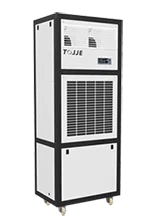
Innovations in Low-SWaP Industrial Dehumidifiers
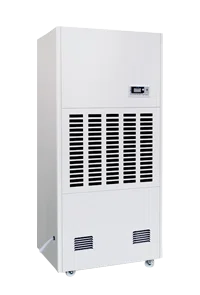
Industrial dehumidifiers are essential tools for maintaining optimal humidity levels in factories, warehouses, data centers, and other high-demand environments. Traditional industrial dehumidifiers can be bulky, heavy, and energy-intensive, posing challenges in terms of installation, mobility, and operational costs. Enter Low-SWaP (Size, Weight, and Power) industrial dehumidifiers – a new generation of compact, energy-efficient machines designed to deliver high performance without the drawbacks of conventional systems. These innovations are transforming industrial humidity control across various sectors.
Compact Design for Space-Constrained Environments
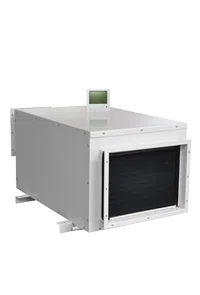
One of the most notable innovations in Low-SWaP industrial dehumidifiers is their reduced physical footprint. By leveraging advanced compressor technologies, optimized airflow systems, and modular designs, manufacturers have created units that occupy significantly less space without sacrificing dehumidification capacity. This is especially valuable in crowded factories, retrofitted facilities, or mobile applications where space is at a premium.
Lightweight Materials and Portability
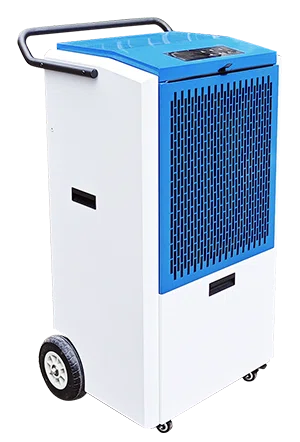
Another key feature of Low-SWaP dehumidifiers is lightweight construction. By using high-strength composites, aluminum alloys, and other lightweight materials, these machines can be easily transported, installed, and repositioned as needed. Portability is a significant advantage for temporary installations, seasonal storage, or facilities that require flexible humidity control across multiple zones.
Energy Efficiency and Smart Power Management
Power consumption is a critical consideration in industrial settings. Low-SWaP dehumidifiers integrate energy-efficient compressors, variable-speed fans, and smart power management systems to minimize electricity usage while maintaining consistent performance. Many models now include automated controls that adjust humidity removal rates based on real-time environmental conditions, further reducing energy waste.
Advanced Control and Monitoring Systems
Modern Low-SWaP industrial dehumidifiers are equipped with digital interfaces, remote monitoring, and IoT connectivity. Operators can monitor humidity levels, track energy usage, and receive maintenance alerts via smartphones or centralized control systems. This level of automation ensures consistent performance, reduces downtime, and supports proactive maintenance strategies, making these machines ideal for high-stakes environments such as pharmaceutical manufacturing or electronics storage.
Applications Across Industries
Low-SWaP industrial dehumidifiers are finding applications in data centers, food processing plants, chemical storage, museums, and laboratories. Their compact, lightweight, and energy-efficient design makes them ideal for industries where traditional dehumidifiers would be impractical. For example, in electronics manufacturing, precise humidity control is critical to prevent static buildup and component degradation, while in warehouses, space-saving units allow better utilization of storage areas.
Innovations in Low-SWaP industrial dehumidifiers are redefining how industries approach humidity control. By combining compact design, lightweight construction, energy efficiency, and advanced digital controls, these machines deliver high performance in environments where traditional dehumidifiers would struggle. As industries increasingly prioritize sustainability, operational flexibility, and cost-effectiveness, Low-SWaP dehumidifiers are poised to become the new standard in industrial humidity management.