
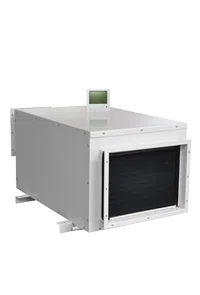
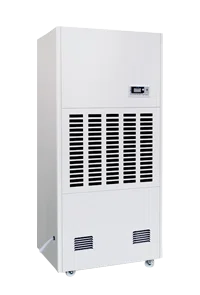
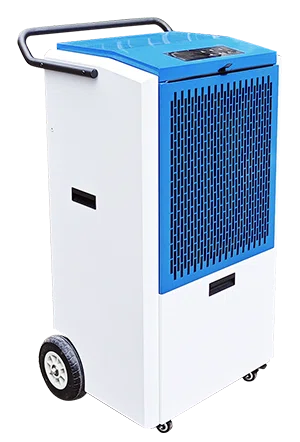
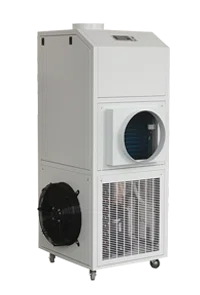
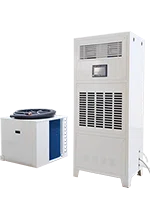
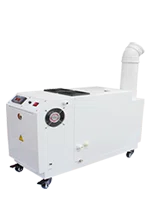
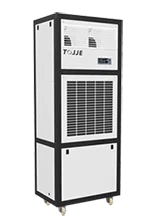
Industrial Dehumidifiers in Data Centers and Server Rooms
Modern data centers and server rooms are the backbone of digital infrastructure. From cloud computing and financial transactions to healthcare systems and industrial automation, critical operations depend on stable IT environments. While power redundancy and cooling systems often get the spotlight, humidity control plays an equally vital role in protecting sensitive electronic equipment. This is where industrial dehumidifiers become essential.
Why Humidity Control Matters in IT Environments
Servers, switches, storage arrays, and networking devices operate within very specific environmental parameters. Improper humidity levels can lead to serious operational and financial risks.
High Humidity Risks
Excess moisture in the air can cause:
- Condensation on electronic components
- Corrosion of metal contacts and circuit boards
- Insulation degradation
- Short circuits and equipment failure
- Increased maintenance costs and downtime
Even microscopic corrosion can degrade signal integrity over time, reducing system reliability.
Low Humidity Risks
Air that is too dry creates another danger:
- Electrostatic discharge (ESD) buildup
- Sudden static discharges that can damage microelectronics
- Data errors and unexpected hardware failures
Maintaining the proper balance is crucial — not just removing moisture, but controlling it precisely.
The Ideal Humidity Range for Data Centers
Industry standards typically recommend:
- Relative Humidity (RH): 40%–60%
- Tight control to prevent both condensation and static electricity
Industrial dehumidifiers help maintain this range consistently, even in regions with high ambient humidity or seasonal fluctuations.
How Industrial Dehumidifiers Support Data Center Operations
Unlike residential units, industrial-grade dehumidifiers are engineered for continuous, high-load environments.
1. Precision Moisture Control
Advanced sensors and control systems allow integration with Building Management Systems (BMS) for real-time humidity regulation.
2. Protection of Critical Infrastructure
By preventing moisture-related damage, dehumidifiers help safeguard:
- Servers and racks
- UPS systems
- Backup storage hardware
- Power distribution units
This extends equipment lifespan and reduces replacement frequency.
3. Improved Cooling Efficiency
Humidity affects how cooling systems perform. Proper moisture control:
- Reduces latent heat load
- Improves HVAC efficiency
- Lowers overall energy consumption
4. Condensation Prevention During Temperature Changes
Rapid cooling, airflow shifts, or external climate changes can trigger condensation. Dehumidifiers stabilize moisture levels, minimizing this risk.
Key Features to Look for in Data Center Dehumidifiers
When selecting an industrial dehumidification system, important features include:
- High-capacity moisture removal
- Continuous-duty operation
- Corrosion-resistant components
- Low noise for server environments
- Energy-efficient compressors or desiccant technology
- Smart controls and remote monitoring
- Redundant system options for mission-critical sites
Types of Industrial Dehumidifiers Used
Refrigerant (Condensation) Industrial Dehumidifiers
- Best for moderate temperatures
- Energy efficient in many data center applications
Desiccant Industrial Dehumidifiers
- Ideal for low humidity requirements
- Perform well in cooler or highly controlled environments
Large facilities often use a hybrid approach depending on zone requirements.
The Business Impact of Proper Humidity Control
Investing in industrial dehumidifiers delivers measurable returns:
- Reduced equipment failure rates
- Lower maintenance and repair costs
- Increased system uptime
- Compliance with environmental standards
- Enhanced operational reliability
In mission-critical facilities, preventing a single outage can justify the entire dehumidification system investment.
In data centers and server rooms, humidity is an invisible threat that can quietly compromise performance and reliability. Industrial dehumidifiers provide the stable environmental control required to protect sensitive electronics, optimize cooling efficiency, and ensure uninterrupted operation.