
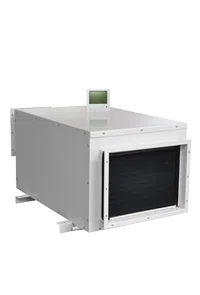
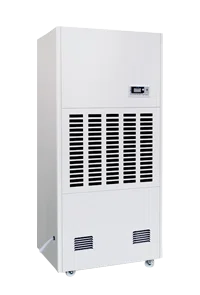
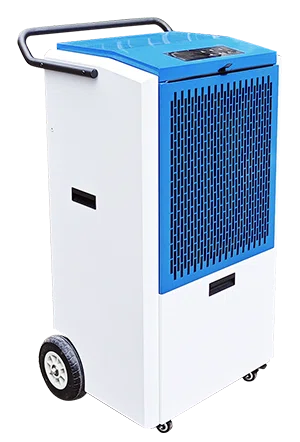
Industrial Dehumidifiers in Aerospace and Precision Engineering
In high-precision industries such as aerospace and precision engineering, environmental control is not optional—it is essential. Even slight fluctuations in humidity can affect material stability, machining accuracy, and product reliability. This is where industrial dehumidifiers play a critical role.
By maintaining stable humidity levels, industrial dehumidification systems help ensure consistent manufacturing quality, protect sensitive components, and support strict industry standards.
Why Humidity Control Matters in Aerospace and Precision Engineering
Aerospace components and precision-engineered parts often involve tight tolerances, advanced materials, and complex assembly processes. Excess moisture in the environment can lead to:
- Corrosion of metal components
- Dimensional instability in materials
- Adhesion issues in coatings and composites
- Electrical failures in sensitive systems
- Reduced lifespan of precision equipment
Even minor humidity variations can compromise safety and performance in aerospace applications.
Role of Industrial Dehumidifiers in Controlled Environments
1. Maintaining Stable Manufacturing Conditions
Industrial dehumidifiers regulate ambient moisture levels in production facilities, ensuring consistent conditions for machining, assembly, and testing.
2. Preventing Corrosion and Oxidation
Aerospace components often use aluminum alloys, titanium, and advanced composites. Dehumidifiers reduce moisture in the air, significantly lowering the risk of corrosion and oxidation.
3. Protecting Precision Equipment
High-accuracy CNC machines, calibration instruments, and metrology systems require stable environments. Industrial dehumidifiers help prevent moisture-related drift and equipment degradation.
4. Improving Product Quality and Consistency
By controlling humidity, manufacturers achieve better repeatability in processes such as coating, bonding, and surface treatment.
Applications in Aerospace Industry
Industrial dehumidifiers are widely used in aerospace manufacturing for:
- Aircraft component production
- Composite material curing rooms
- Avionics assembly environments
- Wind tunnel testing facilities
- Aerospace maintenance hangars
These environments demand strict humidity control to ensure safety and compliance with aerospace standards.
Applications in Precision Engineering
In precision engineering, humidity control is equally critical for:
- CNC machining workshops
- Optical component manufacturing
- Semiconductor and micro-device production
- Metrology and calibration laboratories
- High-precision tooling environments
Stable humidity ensures micron-level accuracy and reduces material deformation during processing.
Types of Industrial Dehumidifiers Used
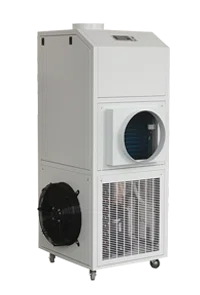
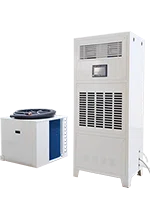
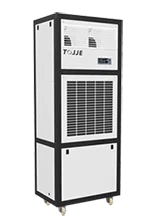
Refrigerant Dehumidifiers
- Suitable for moderate humidity control
- Energy-efficient in standard environments
- Common in general manufacturing facilities
Desiccant Dehumidifiers
- Ideal for ultra-low humidity requirements
- Used in aerospace and high-precision applications
- Effective even in low-temperature environments
Key Benefits for Aerospace and Engineering Facilities
✔ Improved dimensional accuracy
✔ Reduced material waste and rework
✔ Enhanced equipment lifespan
✔ Stable production quality
✔ Compliance with strict industry standards
Industrial dehumidifiers directly contribute to higher efficiency and lower operational risk.
Integration with Smart Manufacturing Systems
Modern industrial dehumidifiers can be integrated into Industry 4.0 environments, offering:
- Real-time humidity monitoring
- Automated climate control systems
- IoT-based remote management
- Data logging for compliance tracking
- Predictive maintenance capabilities
This integration helps aerospace and precision engineering facilities achieve smarter environmental control.
In aerospace and precision engineering, humidity control is a fundamental requirement for quality and safety. Industrial dehumidifiers ensure stable environments, protect sensitive materials, and improve production accuracy.