
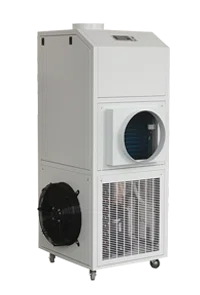
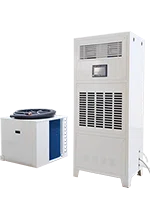
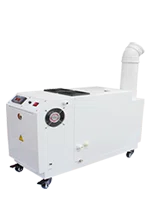
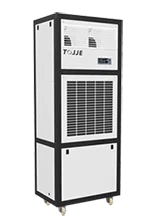
Industrial Dehumidifiers for Water Damage Restoration Projects
Water damage can severely impact residential buildings, commercial facilities, warehouses, factories, and public infrastructure. Whether caused by floods, pipe leaks, storms, roof failures, or industrial accidents, excess moisture can quickly lead to structural deterioration, mold growth, equipment damage, and costly operational disruptions.
One of the most effective solutions for moisture removal during restoration is the industrial dehumidifier. Designed for high-capacity humidity control and rapid drying performance, industrial dehumidifiers play a critical role in water damage restoration projects across multiple industries.
Why Water Damage Restoration Requires Industrial Dehumidifiers
After water intrusion occurs, moisture often penetrates walls, floors, insulation, ceilings, and equipment. Without proper drying, excess humidity can create long-term problems.
Industrial dehumidifiers help minimize these risks by rapidly lowering humidity levels and accelerating evaporation.
Benefits of Industrial Dehumidifiers in Water Damage Restoration
Faster Drying Times
Industrial dehumidifiers dramatically reduce drying time by continuously extracting moisture from affected areas.
This helps:
- Speed up restoration projects
- Reduce building downtime
- Minimize repair costs
- Restore operations faster
Mold Prevention
Mold can begin developing within 24 to 48 hours after water exposure. Maintaining controlled humidity levels helps prevent microbial growth.
Benefits include:
- Improved indoor air quality
- Health risk reduction
- Lower remediation expenses
- Safer building environments
Structural Protection
Excess moisture can weaken structural materials such as drywall, wood, insulation, and concrete.
Industrial dehumidifiers help preserve:
- Flooring systems
- Wall structures
- Ceiling materials
- Wooden components
- Building foundations
Equipment and Inventory Protection
Warehouses, manufacturing plants, and commercial facilities often contain moisture-sensitive equipment and products.
Humidity control helps protect:
- Electronics
- Machinery
- Documents
- Medical supplies
- Packaging materials
- Inventory stock
Applications of Industrial Dehumidifiers in Restoration Projects
Flood Damage Restoration
Flooded buildings require aggressive moisture removal to restore safe conditions quickly.
Industrial dehumidifiers are used in:
- Residential flood recovery
- Commercial flood restoration
- Basement drying
- Storm damage cleanup
Fire and Water Damage Recovery
After firefighting efforts, buildings often experience severe water saturation.
Dehumidifiers help remove:
- Residual moisture
- Smoke-related humidity
- Damp odors
- Water trapped in structural materials
Construction Drying
New construction projects frequently require humidity control for:
- Concrete curing
- Paint drying
- Flooring installation
- Interior finishing work
Industrial dehumidifiers improve construction timelines and product quality.
Industrial Facility Restoration
Factories and warehouses affected by leaks or flooding rely on industrial dehumidifiers to protect equipment and resume production quickly.
Applications include:
- Manufacturing plants
- Logistics centers
- Pharmaceutical facilities
- Food processing plants
Key Features of Modern Industrial Dehumidifiers
High Moisture Removal Capacity
Industrial systems can remove hundreds of liters of water per day in large-scale restoration environments.
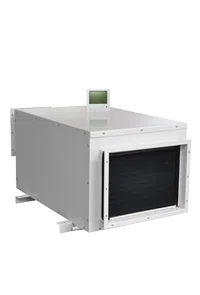
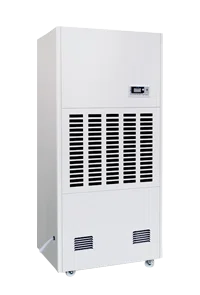
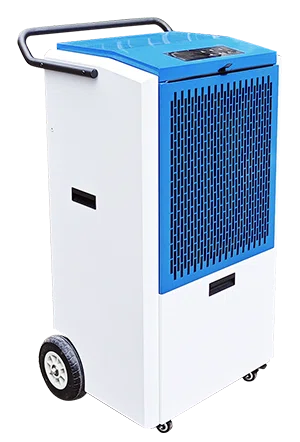
Portable Design
Portable industrial dehumidifiers allow flexible deployment across multiple restoration zones.
Features include:
- Heavy-duty wheels
- Compact structures
- Easy transport handles
Smart Humidity Controls
Modern units often include:
- Digital humidity monitoring
- Automatic operation controls
- Remote system management
- Real-time performance tracking
Energy Efficiency
Advanced industrial dehumidifiers are designed to reduce energy consumption while maintaining high drying performance.
Energy-efficient systems help lower:
- Operational costs
- Electricity usage
- Environmental impact
Best Practices for Water Damage Restoration Drying
Use Air Movers with Dehumidifiers
Combining dehumidifiers with industrial fans improves evaporation and drying efficiency.
Monitor Humidity Levels Regularly
Maintaining optimal humidity prevents over-drying or incomplete restoration.
Remove Standing Water Quickly
Water extraction should occur before dehumidification begins.
Isolate Affected Areas
Containment helps improve drying performance and prevents moisture migration.
Environmental Benefits of Industrial Dehumidifiers
Modern industrial dehumidifiers contribute to sustainability through:
- Reduced material replacement
- Lower waste generation
- Energy-efficient operation
- Extended building lifespan
- Prevention of unnecessary demolition
Restoration-focused drying helps conserve resources and reduce environmental impact.
Industrial dehumidifiers are essential tools for water damage restoration projects, providing fast moisture removal, mold prevention, structural protection, and improved recovery efficiency. From flood restoration and construction drying to industrial facility recovery, these systems help minimize downtime and reduce long-term damage.