
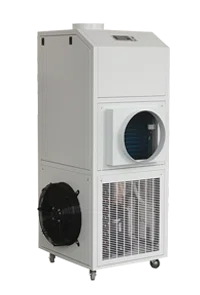
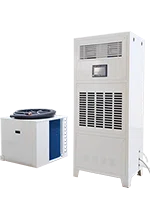
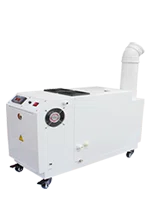
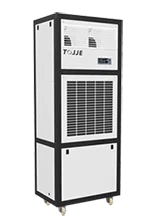
Industrial Dehumidifiers for Paper and Pulp Manufacturing
Humidity control plays a critical role in the paper and pulp manufacturing industry. Excess moisture in production facilities can negatively affect paper quality, machinery performance, storage conditions, and overall operational efficiency. To maintain stable environmental conditions, many manufacturers rely on industrial dehumidifiers as an essential part of their production systems.
Industrial dehumidifiers help regulate humidity levels, reduce moisture-related defects, and improve the reliability of paper production processes. From raw material storage to final product packaging, proper humidity management supports higher productivity and better product consistency.
Why Humidity Control Matters in Paper and Pulp Manufacturing
Paper products are highly sensitive to environmental moisture. Changes in humidity can directly impact:
- Paper dimensions and stability
- Print quality and ink absorption
- Drying efficiency during production
- Equipment performance and maintenance
- Storage conditions for raw materials and finished products
Without proper humidity control, paper mills may experience curling, warping, cracking, sticking, or uneven paper texture.
How Industrial Dehumidifiers Help Paper and Pulp Manufacturers
Stable Humidity Control
Industrial dehumidifiers maintain consistent humidity levels throughout the facility, helping manufacturers achieve reliable production conditions.
Improved Product Quality
Controlled moisture levels reduce paper defects and improve sheet consistency, resulting in better printing and converting performance.
Protection of Equipment
By minimizing condensation and excess moisture, industrial dehumidifiers help protect expensive machinery from corrosion and damage.
Better Storage Conditions
Dehumidification systems create optimal environments for storing paper rolls, pulp materials, adhesives, and packaging supplies.
Enhanced Workplace Safety
Reducing excess moisture can improve indoor air quality and lower the risk of slippery floors and mold-related health concerns.
Applications of Industrial Dehumidifiers in the Paper Industry
Paper Production Lines
Humidity control helps maintain proper drying conditions and consistent paper thickness during manufacturing.
Pulp Storage Areas
Industrial dehumidifiers prevent moisture buildup that could damage raw pulp materials or encourage microbial growth.
Printing and Converting Facilities
Stable humidity is essential for accurate printing, coating, laminating, and packaging operations.
Warehouses and Distribution Centers
Dehumidification protects finished paper products during storage and transportation preparation.
Types of Industrial Dehumidifiers Used in Paper Mills
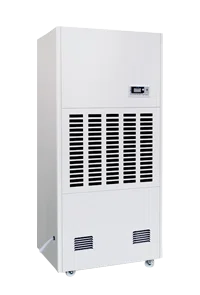
Refrigerant Dehumidifiers
These systems are commonly used in moderate-temperature industrial environments and are effective for general humidity reduction.
Desiccant Dehumidifiers
Desiccant systems are ideal for low-humidity applications and perform well in colder conditions often found in industrial facilities.
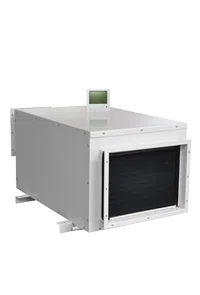
Ceiling-Mounted Dehumidifiers
Ceiling-mounted solutions help save floor space while providing efficient humidity control across large production areas.
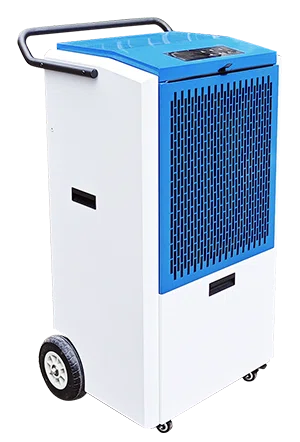
Portable Industrial Dehumidifiers
Portable systems offer flexible moisture control for temporary drying projects or localized humidity management.
Key Benefits of Industrial Dehumidification Systems
- Improved paper quality consistency
- Reduced product waste
- Lower maintenance costs
- Enhanced energy efficiency
- Extended equipment lifespan
- Better environmental control
- Increased production reliability
These benefits contribute to higher operational efficiency and long-term cost savings for paper manufacturers.
Industrial dehumidifiers are essential for maintaining stable environmental conditions in paper and pulp manufacturing facilities. By controlling moisture levels, manufacturers can improve product quality, protect equipment, reduce downtime, and enhance overall operational efficiency.