
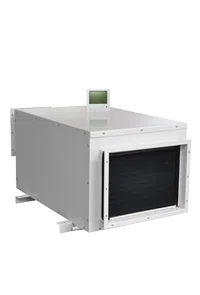
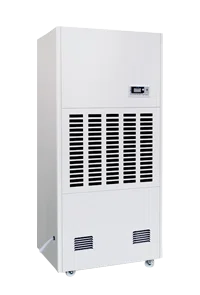
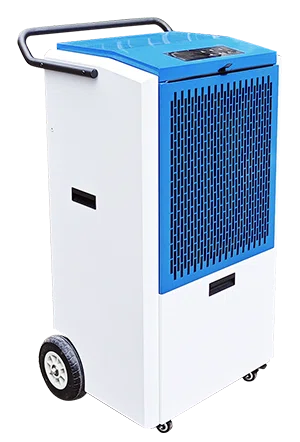
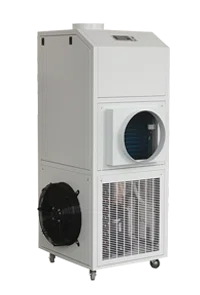
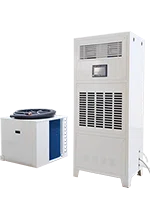
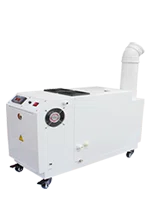
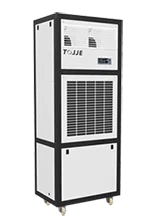
Industrial Dehumidifiers for Paper and Packaging Plants
Humidity control is a critical factor in paper and packaging manufacturing. Excess moisture in production facilities can negatively impact raw materials, machinery performance, product quality, and overall operational efficiency. Because paper products are highly hygroscopic, they readily absorb and release moisture from the surrounding environment, making consistent humidity management essential throughout the manufacturing and storage process.
Industrial dehumidifiers provide an effective solution by maintaining stable environmental conditions, reducing moisture-related issues, and supporting reliable production.
How Industrial Dehumidifiers Support Paper and Packaging Plants
Maintaining Stable Production Conditions
Industrial dehumidifiers continuously remove excess moisture from the air.
Benefits include:
-
Consistent environmental conditions
-
Improved process stability
-
Reduced product variation
-
Better manufacturing efficiency
Stable humidity levels are especially important in facilities operating around the clock.
Protecting Raw Materials
Paper rolls, cardboard sheets, and packaging materials can be damaged by humidity fluctuations.
Dehumidification systems help:
-
Preserve material quality
-
Reduce spoilage
-
Improve inventory management
-
Extend storage life
Proper environmental control minimizes losses caused by moisture exposure.
Improving Product Quality
Humidity control contributes to higher-quality finished products by reducing:
-
Warping
-
Curling
-
Delamination
-
Surface defects
-
Printing inconsistencies
Consistent quality helps manufacturers meet customer expectations and reduce rejection rates.
Enhancing Worker Comfort and Safety
Excess humidity can create uncomfortable working conditions.
Industrial dehumidifiers help:
-
Improve indoor air quality
-
Reduce condensation on floors
-
Enhance workplace safety
-
Create a more comfortable environment for employees
Improved working conditions can also contribute to higher productivity.
Key Areas Where Industrial Dehumidifiers Are Used
Paper Manufacturing Facilities
Humidity control supports:
-
Pulp processing
-
Paper drying
-
Roll storage
-
Finishing operations
Maintaining optimal moisture levels ensures product consistency throughout production.
Printing Plants
Printing facilities rely on controlled environmental conditions for:
-
Ink performance
-
Color consistency
-
Registration accuracy
-
Drying efficiency
Industrial dehumidifiers help maintain stable print quality.
Packaging Production Lines
Packaging manufacturers use dehumidification systems to support:
-
Folding carton production
-
Corrugated packaging manufacturing
-
Flexible packaging processes
-
Label production
Humidity control improves process reliability and product performance.
Warehouses and Storage Areas
Finished paper products and packaging materials often remain in storage before shipment.
Industrial dehumidifiers protect inventory by preventing:
-
Moisture absorption
-
Mold growth
-
Material degradation
-
Packaging damage
Types of Industrial Dehumidifiers for Paper and Packaging Applications
Refrigerant Dehumidifiers
Refrigerant systems are effective in:
-
Moderate-temperature environments
-
Large manufacturing facilities
-
General humidity control applications
Advantages include:
-
High efficiency
-
Cost-effective operation
-
Reliable performance
Desiccant Dehumidifiers
Desiccant systems are ideal for applications requiring:
-
Very low humidity levels
-
Cold environments
-
Precision moisture control
Benefits include:
-
Superior low-humidity performance
-
Consistent operation across temperature ranges
-
Enhanced process control
Factors to Consider When Selecting an Industrial Dehumidifier
Facility Size
The dehumidification system should match the facility's:
-
Floor area
-
Ceiling height
-
Air volume
Proper sizing ensures efficient operation and energy savings.
Desired Humidity Levels
Different processes require different humidity targets.
Manufacturers should determine:
-
Recommended relative humidity levels
-
Product-specific requirements
-
Seasonal environmental variations
Moisture Load
Factors influencing moisture load include:
-
Production processes
-
Outdoor air infiltration
-
Employee activity
-
Raw material storage
Accurate moisture load calculations help optimize system performance.
Energy Efficiency
Energy-efficient systems can significantly reduce operating costs.
Look for features such as:
-
Variable-speed fans
-
Smart controls
-
Automated monitoring
-
Energy recovery systems
Benefits of Modern Industrial Dehumidification Technology
Today's industrial dehumidifiers often include advanced features such as:
Smart Controls
Automated humidity regulation improves precision and reduces manual intervention.
Remote Monitoring
Facility managers can track performance and humidity conditions in real time.
Building Management System Integration
Dehumidifiers can integrate with HVAC and facility automation systems for centralized control.
Predictive Maintenance Features
Modern monitoring tools help identify maintenance needs before failures occur.
Industrial dehumidifiers play a vital role in paper and packaging plants by controlling moisture levels that directly affect product quality, production efficiency, equipment reliability, and workplace safety. From preventing paper distortion and printing defects to protecting machinery and stored inventory, effective humidity control delivers significant operational benefits.
By selecting the right industrial dehumidification solution and implementing proper environmental management practices, paper and packaging manufacturers can improve quality, reduce waste, enhance productivity, and maintain a competitive advantage in today's demanding marketplace.