
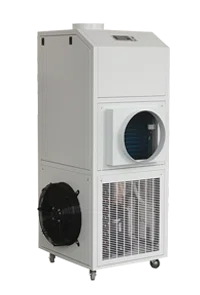
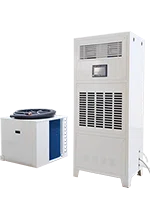
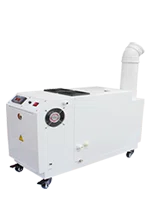
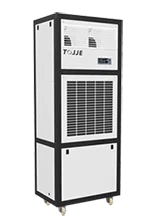
Industrial Dehumidifiers for Livestock Facilities
Maintaining proper environmental conditions is essential for successful livestock farming. Excess humidity inside animal housing facilities can create serious problems, including poor air quality, bacterial growth, structural damage, and increased health risks for animals. To address these challenges, many agricultural operations are turning to industrial dehumidifiers for reliable moisture control.
Industrial dehumidifiers help livestock facilities maintain balanced humidity levels, improve ventilation efficiency, and create healthier environments for animals and workers. From poultry farms and dairy barns to swine and equine facilities, dehumidification systems play an increasingly important role in modern agricultural operations.
Why Humidity Control Matters in Livestock Facilities
Livestock buildings naturally generate large amounts of moisture from:
- Animal respiration
- Waste accumulation
- Watering systems
- Cleaning operations
- Feed storage
- Temperature fluctuations
Without proper humidity management, excessive moisture can lead to unhealthy and inefficient farming conditions.
Common Problems Caused by High Humidity
- Mold and mildew growth
- Increased ammonia levels
- Respiratory problems in animals
- Bacterial and fungal contamination
- Condensation on walls and ceilings
- Structural corrosion and equipment damage
- Reduced feed quality
- Poor worker comfort
Industrial dehumidifiers help reduce these risks by maintaining controlled indoor moisture levels.
Benefits of Industrial Dehumidifiers for Livestock Facilities
Improved Animal Health
Excess humidity contributes to respiratory illnesses and bacterial infections in livestock. Proper humidity control creates a healthier environment that supports animal well-being and productivity.
Better Air Quality
Industrial dehumidifiers help reduce airborne moisture and minimize ammonia buildup from animal waste, improving overall indoor air conditions.
Reduced Mold and Bacteria Growth
Moist environments encourage microbial growth. Dehumidification systems help prevent mold, fungi, and harmful bacteria from spreading throughout the facility.
Enhanced Feed Protection
Excess moisture can damage stored feed and promote spoilage. Controlled humidity helps preserve feed quality and nutritional value.
Structural Protection
Industrial dehumidifiers reduce condensation that may lead to rust, corrosion, wood rot, and insulation damage in livestock buildings.
Increased Operational Efficiency
Balanced humidity improves ventilation system performance and reduces maintenance requirements for facility equipment.
Applications of Industrial Dehumidifiers in Livestock Farming
Poultry Farms
Poultry facilities require precise humidity control to support bird health and reduce disease risks.
Industrial dehumidifiers help:
- Minimize wet litter conditions
- Reduce ammonia accumulation
- Improve air circulation
- Support stable temperature and humidity levels
Dairy Barns
Dairy cows perform best in comfortable and clean environments.
Dehumidification systems help dairy operations by:
- Reducing moisture buildup
- Improving cow comfort
- Lowering bacterial contamination risks
- Supporting milk production efficiency
Swine Facilities
Pig farming operations generate large amounts of moisture and waste gases.
Industrial dehumidifiers help maintain:
- Cleaner indoor environments
- Better respiratory conditions
- Reduced odor levels
- Improved overall animal welfare
Horse Stables
Excess humidity in horse stables can contribute to respiratory issues and mold growth.
Dehumidification systems improve:
- Stable air quality
- Bedding dryness
- Equipment preservation
- Overall stable hygiene
Types of Industrial Dehumidifiers for Livestock Facilities
Refrigerant Dehumidifiers
These systems cool air below its dew point to remove moisture. They work efficiently in warm and moderate temperature conditions.
Desiccant Dehumidifiers
Desiccant systems use moisture-absorbing materials to remove humidity and are highly effective in colder environments.
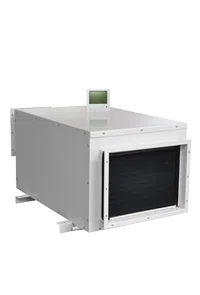
Ceiling-Mounted Dehumidifiers
Ceiling-mounted systems save floor space and distribute airflow evenly throughout large livestock buildings.
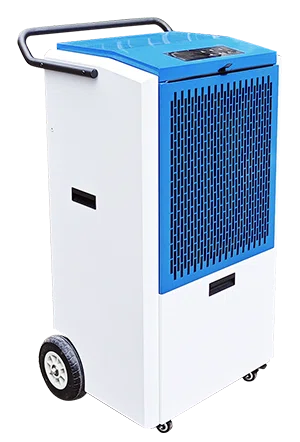
Portable Industrial Dehumidifiers
Mobile units provide flexible moisture control for temporary or seasonal agricultural needs.
Key Features to Consider
When selecting an industrial dehumidifier for livestock operations, important factors include:
Moisture Removal Capacity
Choose a system capable of handling the facility’s humidity load.
Energy Efficiency
Energy-saving systems help reduce long-term operating costs.
Corrosion Resistance
Agricultural environments can be harsh, requiring durable materials and protective coatings.
Airflow Performance
Proper air circulation improves overall moisture removal efficiency.
Automatic Humidity Controls
Smart humidity sensors and programmable controls improve operational consistency.
Low Maintenance Design
Easy-access filters and washable components simplify maintenance procedures.
Industrial Dehumidifiers and Ventilation Systems
Dehumidifiers often work together with ventilation systems to maintain ideal livestock housing conditions.
Combined systems help:
- Improve fresh air circulation
- Remove excess heat and moisture
- Stabilize indoor climate conditions
- Reduce airborne contaminants
- Support year-round environmental control
Integrated climate management systems improve both animal health and operational productivity.
Energy Efficiency and Sustainability
Modern livestock operations increasingly focus on sustainability and energy management.
Industrial dehumidifiers support environmentally responsible farming by:
- Reducing energy waste
- Improving HVAC efficiency
- Lowering building maintenance costs
- Extending facility lifespan
- Supporting sustainable agricultural practices
Energy-efficient dehumidification systems help farms reduce operational expenses while improving environmental performance.
Technological Advancements in Agricultural Dehumidification
Modern industrial dehumidifiers now include advanced technologies such as:
- IoT-enabled monitoring systems
- Remote management controls
- Automated humidity adjustments
- Smart energy-saving functions
- Real-time environmental analytics
- Predictive maintenance alerts
These innovations help livestock operators optimize environmental control and reduce labor demands.
Industrial dehumidifiers have become essential tools for maintaining healthy and efficient livestock facilities. By controlling excess humidity, these systems improve air quality, reduce disease risks, protect infrastructure, and support better animal performance.