
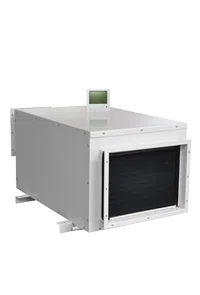
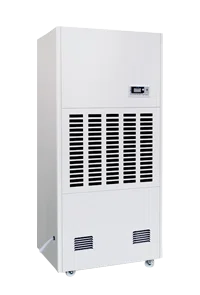
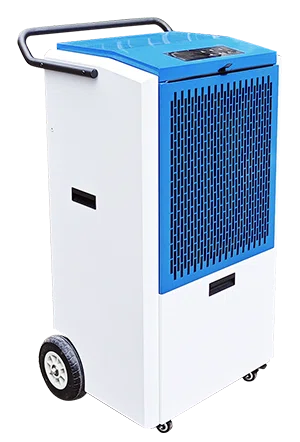
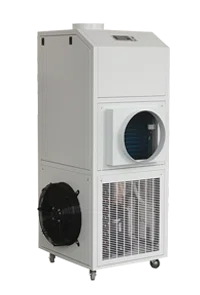
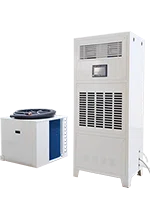
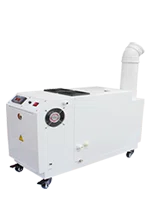
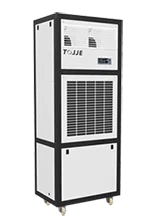
Industrial Dehumidifier for Post-Flood Recovery Projects
Flooding can cause severe damage to buildings, infrastructure, and equipment. Beyond visible water damage, excess moisture trapped in walls, floors, and structural materials creates long-term risks such as mold growth, corrosion, and structural deterioration. Industrial dehumidifiers play a critical role in post-flood recovery projects by accelerating drying, stabilizing indoor environments, and reducing secondary damage.
Why Dehumidification Is Essential After Flooding
After floodwaters recede, moisture remains embedded in construction materials and indoor air. Without proper humidity control, recovery efforts can stall and damage can worsen. Industrial dehumidifiers help:
- Remove large volumes of moisture from the air
- Speed up drying of concrete, wood, and insulation
- Prevent mold and mildew growth
- Reduce odors and improve indoor air quality
Effective dehumidification is essential for safe, complete restoration.
Advantages of Industrial Dehumidifiers in Recovery Projects
Unlike residential units, industrial dehumidifiers are designed for demanding recovery environments. Key advantages include:
- High moisture removal capacity for large or severely affected spaces
- Continuous operation for round-the-clock drying
- Durable construction suitable for harsh job sites
- Precise humidity control to avoid over-drying or material damage
These features allow restoration teams to restore buildings faster and more reliably.
Applications in Post-Flood Recovery
Industrial dehumidifiers are widely used in:
- Commercial buildings and warehouses
- Basements, underground parking, and tunnels
- Hospitals, schools, and public facilities
- Industrial plants and utility rooms
In each case, controlled drying helps minimize downtime and prevent long-term structural issues.
Choosing the Right Dehumidifier for Flood Recovery
Selecting the appropriate industrial dehumidifier depends on several factors:
- Size and layout of the affected area
- Level of moisture saturation
- Ambient temperature and humidity
- Availability of power and drainage
Refrigerant dehumidifiers are effective in warmer conditions, while desiccant dehumidifiers perform better in low-temperature or low-humidity environments often encountered during recovery.
Best Practices for Effective Drying
For optimal results in post-flood projects:
- Combine dehumidifiers with air movers to increase evaporation
- Monitor humidity levels continuously
- Position units to ensure even airflow coverage
- Maintain equipment to ensure consistent performance
Following these practices helps achieve faster, safer drying outcomes.
Supporting Faster and Safer Recovery
Industrial dehumidifiers are a cornerstone of professional post-flood recovery. By efficiently removing moisture and stabilizing indoor environments, they help restoration teams reduce damage, protect occupants, and return buildings to service more quickly.
In flood recovery projects where time, safety, and quality matter, industrial dehumidification is not just a tool—it is a necessity.