
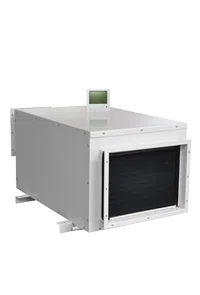
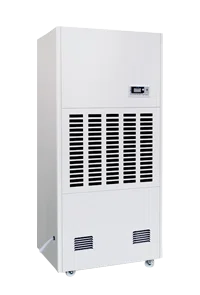
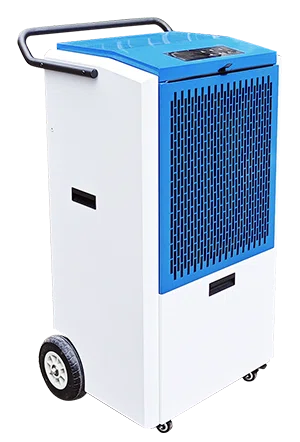
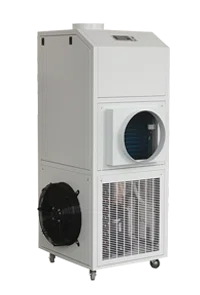
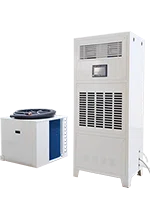
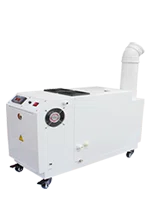
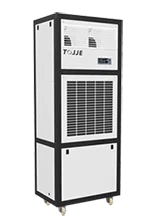
Industrial Dehumidifier Applications in Electronics Production
In electronics manufacturing, even a small amount of moisture can lead to serious product defects, including corrosion, short circuits, and reduced component reliability. To maintain strict environmental control, many factories rely on industrial dehumidifiers. These systems play a critical role in ensuring stable humidity levels throughout the production process, improving product quality, yield, and long-term reliability.
Why Humidity Control Matters in Electronics Production
Electronics manufacturing involves highly sensitive components such as semiconductors, circuit boards, and microchips. Excess humidity can cause:
- Oxidation of metal contacts
- Soldering defects
- Electrostatic discharge (ESD) risks
- PCB delamination
- Reduced product lifespan
Because of these risks, maintaining precise humidity control is essential for consistent production quality.
Key Applications in Electronics Production
1. PCB Manufacturing
Printed Circuit Board (PCB) production is highly sensitive to moisture. Industrial dehumidifiers help:
- Prevent oxidation during copper processing
- Improve solder mask adhesion
- Reduce board warping and defects
- Maintain stable production conditions
2. Semiconductor Fabrication
Semiconductor manufacturing requires ultra-low humidity environments. Dehumidifiers ensure:
- Protection of wafer surfaces
- Reduction of particle adhesion
- Improved lithography precision
- Stable cleanroom conditions
Even minor humidity fluctuations can impact chip performance.
3. Electronic Assembly Lines
During assembly, components are exposed to air for extended periods. Controlled humidity helps:
- Prevent moisture absorption in components
- Reduce soldering defects
- Improve bonding reliability
- Ensure consistent product quality
4. Storage of Electronic Components
Before and after production, components must be stored in dry environments. Industrial dehumidifiers:
- Protect moisture-sensitive devices (MSDs)
- Extend shelf life of components
- Prevent corrosion during storage
- Maintain packaging integrity
Benefits of Industrial Dehumidifiers in Electronics Manufacturing
1. Improved Product Quality
By controlling moisture levels, manufacturers significantly reduce defect rates and improve overall product reliability.
2. Higher Production Yield
Stable humidity conditions lead to fewer production errors and higher output efficiency.
3. Reduced Equipment Damage
Moisture control helps protect expensive manufacturing equipment from corrosion and malfunction.
4. Compliance with Industry Standards
Many electronics industries require strict environmental controls, especially in cleanroom production.
Integration with Smart Manufacturing Systems
Modern industrial dehumidifiers are increasingly integrated into smart factory systems. Features include:
- Real-time humidity monitoring
- Automated control adjustments
- IoT-based remote management
- Data logging for quality assurance
This integration allows precise environmental control and improved operational efficiency.
Energy Efficiency Considerations
While dehumidification is essential, energy consumption is also a key concern. Modern systems are designed to:
- Optimize compressor operation
- Use heat recovery systems
- Reduce unnecessary cycling
- Improve airflow efficiency
These improvements help lower operational costs in large-scale electronics facilities.
Industrial dehumidifiers are a critical component in electronics production, ensuring that humidity-sensitive processes remain stable, reliable, and efficient. From PCB manufacturing to semiconductor fabrication, precise moisture control directly impacts product quality and yield. As electronics technology advances, intelligent and energy-efficient dehumidification systems will continue to play an essential role in modern manufacturing environments.