
Improving Product Quality with Advanced Industrial Dehumidifier Systems
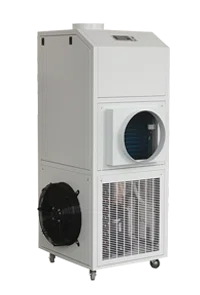
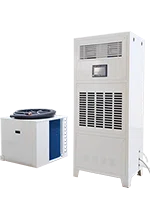
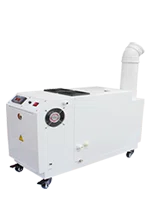
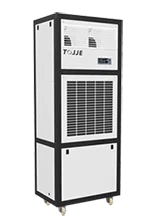
In many manufacturing and storage environments, humidity control plays a critical role in maintaining product quality and operational efficiency. Excess moisture in the air can lead to product defects, equipment corrosion, mold growth, and material degradation. To address these challenges, many industries rely on advanced industrial dehumidifier systems to maintain optimal humidity levels and ensure consistent production standards.
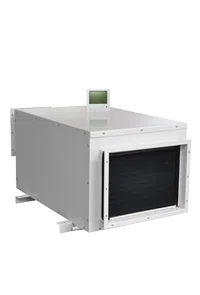
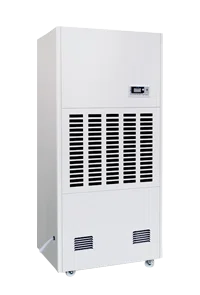
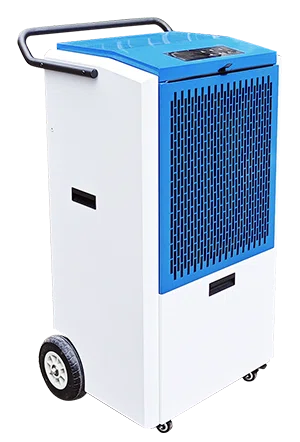
Industrial dehumidifiers are specifically designed to remove large volumes of moisture from the air in factories, warehouses, laboratories, and other large facilities. By maintaining a controlled environment, these systems help companies protect both products and equipment while improving overall productivity.
The Impact of Humidity on Product Quality
Humidity levels that are too high can negatively affect a wide range of products and materials. Moisture in the air can cause chemical reactions, structural damage, and contamination during manufacturing or storage.
Some common humidity-related problems include:
- Material degradation – Paper, textiles, and packaging materials can absorb moisture and lose strength.
- Corrosion of metal components – Excess humidity accelerates oxidation and rust.
- Mold and microbial growth – High moisture levels encourage bacteria and mold in food and pharmaceutical facilities.
- Electronic component damage – Moisture can cause short circuits or reduce reliability in electronic devices.
- Product inconsistency – Certain materials require stable humidity conditions for precise processing.
Maintaining proper humidity levels is therefore essential for industries that demand high precision and strict quality standards.
How Industrial Dehumidifier Systems Work
Industrial dehumidifiers are designed to remove moisture from the air using advanced technologies. These systems continuously circulate air, extract excess humidity, and release dry air back into the environment.
There are several common types of industrial dehumidification technologies:
Refrigerant Dehumidifiers
Refrigerant systems cool incoming air so that moisture condenses into water droplets, which are then collected and drained away. These systems are ideal for environments with moderate to high temperatures.
Desiccant Dehumidifiers
Desiccant systems use specialized materials that absorb moisture from the air. They are particularly effective in low-temperature environments and applications requiring very low humidity levels.
Hybrid Dehumidification Systems
Some modern industrial facilities use hybrid systems that combine refrigeration and desiccant technologies to maximize efficiency and humidity control across different conditions.
Key Benefits of Industrial Dehumidifiers for Manufacturing
Installing advanced industrial dehumidifier systems can significantly improve product quality and operational reliability. Some of the main benefits include:
Consistent Production Conditions
Stable humidity levels create a controlled production environment. This helps manufacturers maintain consistent product specifications and reduce variation during processing.
Protection of Raw Materials
Many raw materials such as powders, grains, chemicals, and textiles are sensitive to moisture. Dehumidifiers help preserve their properties during storage and handling.
Reduced Equipment Maintenance
By preventing condensation and corrosion, industrial dehumidifiers help extend the service life of machinery, electrical components, and structural infrastructure.
Improved Workplace Safety
High humidity can create slippery floors, mold growth, and poor air quality. Controlling moisture levels contributes to a safer and healthier workplace.
Industries That Benefit from Industrial Dehumidification
Industrial dehumidifiers are widely used across many sectors where environmental control is critical.
Food Processing
Humidity control helps prevent spoilage, bacterial growth, and packaging damage in food production and storage facilities.
Pharmaceutical Manufacturing
Precise humidity control is essential for maintaining the stability and quality of medicines, capsules, and powders.
Electronics Manufacturing
Electronic components are extremely sensitive to moisture. Dehumidification helps protect circuit boards and semiconductor materials during production.
Warehousing and Logistics
Industrial dehumidifiers protect stored goods such as paper products, textiles, metals, and packaging materials from moisture damage.
Automotive and Metal Processing
Controlling humidity reduces corrosion and ensures better coating, painting, and assembly processes.
Smart and Energy-Efficient Dehumidifier Technologies
Modern industrial dehumidifier systems are increasingly designed with energy efficiency and automation in mind. Advanced features may include:
- Intelligent humidity sensors for precise environmental monitoring
- Automated control systems that adjust dehumidification capacity
- Energy-efficient compressors and heat recovery technology
- Remote monitoring through industrial IoT platforms
These innovations help companies reduce energy consumption while maintaining stable environmental conditions.
Humidity control is a critical factor in maintaining product quality, protecting materials, and ensuring reliable industrial operations. Advanced industrial dehumidifier systems provide an effective solution for removing excess moisture and stabilizing environmental conditions across a wide range of industries.