
Humidity Management in Agriculture Using Wet Film Humidifiers
Humidity control is one of the most critical factors in modern agriculture, especially in greenhouses, vertical farms, and controlled environment agriculture (CEA). Improper humidity levels can directly affect plant growth, disease resistance, and overall crop yield.
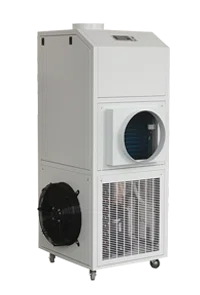
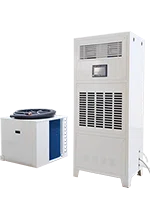
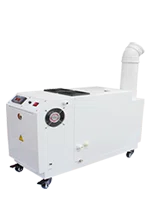
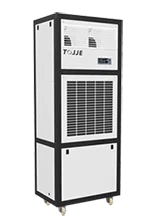
Wet film humidifiers provide an efficient and stable solution for maintaining optimal humidity levels in agricultural environments.
Importance of Humidity Management in Agriculture
Maintaining proper humidity levels is essential for plant health and productivity.
Effects of poor humidity control:
-
Low humidity: plant dehydration, slow growth, and leaf damage
-
High humidity: fungal diseases, mold growth, and poor pollination
-
Fluctuating humidity: stress on plant development and reduced yield
Proper humidity management helps ensure stable and optimal growing conditions.
How Wet Film Humidifiers Improve Agricultural Systems
Wet film humidifiers provide several key benefits for agricultural applications:
1. Stable Humidity Control
They deliver consistent moisture levels, reducing fluctuations that can harm plant growth.
2. Natural Evaporation Process
Unlike ultrasonic or steam systems, wet film humidifiers use natural evaporation, which avoids over-saturation.
3. Energy Efficiency
-
Low power consumption
-
No need for heating elements
-
Reduced operational costs
4. Large-Scale Adaptability
Suitable for:
-
Greenhouses
-
Indoor vertical farms
-
Seedling nurseries
-
Hydroponic systems
Benefits for Greenhouse Agriculture
Greenhouses are highly sensitive to environmental conditions, especially humidity.
Wet film humidifier advantages in greenhouses:
-
Prevents plant dehydration during dry seasons
-
Maintains ideal transpiration rates
-
Enhances nutrient absorption efficiency
-
Reduces heat stress in crops
This leads to healthier plants and improved yield quality.
Role in Vertical Farming and Indoor Agriculture
Vertical farming relies on precise environmental control.
Wet film humidifiers support this by:
-
Maintaining uniform humidity across stacked growing layers
-
Supporting LED-based growth systems with stable air moisture
-
Preventing localized dry zones
-
Improving plant consistency in high-density production
This makes them a key component in smart agriculture systems.
Disease Prevention and Plant Protection
One of the major benefits of humidity control is reducing plant diseases.
How wet film humidifiers help:
-
Avoid excessive condensation that leads to mold
-
Maintain humidity at optimal levels for plant immunity
-
Reduce fungal growth conditions
-
Support healthier leaf and root environments
Balanced humidity significantly improves crop resilience.
Energy Efficiency and Sustainability
Modern agriculture increasingly focuses on sustainability.
Wet film humidifiers contribute by:
-
Using minimal electricity compared to steam humidifiers
-
Operating with simple mechanical systems
-
Reducing water waste through efficient evaporation
-
Supporting eco-friendly farming practices
This aligns with green agriculture and low-carbon farming goals.
Integration with Smart Agricultural Systems
Advanced farms now use automation and IoT systems.
Wet film humidifiers can be integrated with:
-
Humidity sensors
-
Climate control systems
-
Automated irrigation systems
-
Smart greenhouse management platforms
Benefits of integration:
-
Real-time humidity adjustment
-
Reduced manual labor
-
Improved environmental precision
-
Data-driven farming optimization
Wet film humidifiers play an important role in modern agricultural humidity management. Their ability to provide stable, energy-efficient, and natural humidity control makes them ideal for greenhouses, vertical farms, and indoor agriculture systems.