
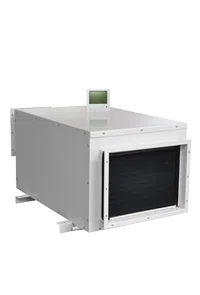
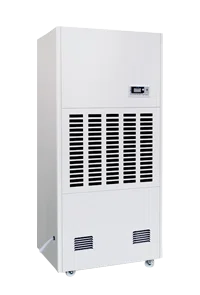
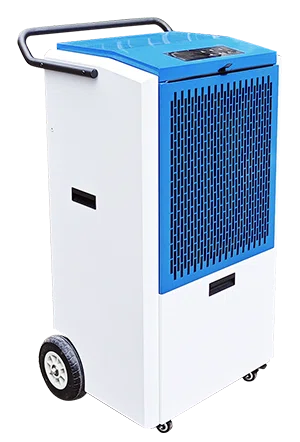
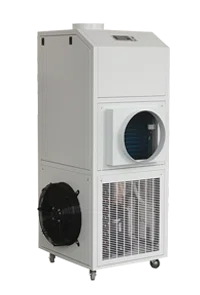
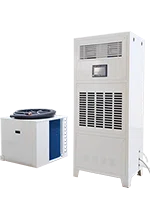
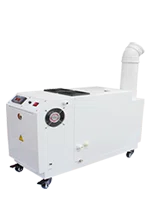
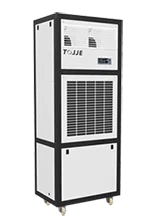
Humidity Control for Pharmaceutical Production with Wet Film Humidifiers
Pharmaceutical manufacturing requires carefully controlled environmental conditions to maintain consistent production processes and protect sensitive materials. Temperature, air quality, cleanliness, and relative humidity can all influence manufacturing performance.
Excessively dry air may increase static electricity and affect certain materials, while excessive humidity can contribute to condensation, moisture-related problems, and changes in material behavior.
For this reason, reliable humidity control is an important part of many pharmaceutical production environments.
Wet film humidifiers provide an evaporative approach to adding moisture to air and can be integrated into industrial HVAC and air-handling systems to help maintain a more stable relative humidity level.
How Wet Film Humidifiers Support Pharmaceutical Humidity Control
Stable Moisture Addition
Wet film humidifiers add moisture through evaporation, allowing facilities to increase air humidity in a controlled manner.
Mist-Free Humidification
Because moisture is introduced through evaporation rather than direct spraying of water droplets into the air, wet film systems can provide humidification without generating conventional visible mist.
Integration with Air-Handling Systems
Wet film humidifiers can be incorporated into air-handling units and HVAC systems, allowing humidification to become part of a broader environmental control strategy.
Automatic Humidity Regulation
When combined with humidity sensors and control systems, the humidifier can respond to changes in relative humidity and adjust operation according to predefined requirements.
Applications of Wet Film Humidifiers in Pharmaceutical Facilities
Wet film humidification may be considered for different areas depending on the facility design and environmental requirements.
Production Areas
Manufacturing rooms may require controlled humidity to support consistent processing conditions.
Raw Material Handling Areas
Humidity management can help maintain appropriate environmental conditions when handling moisture-sensitive ingredients or materials.
Packaging Areas
Controlled humidity may help reduce problems associated with paper, films, labels, and other packaging materials.
Storage Areas
Certain pharmaceutical materials may require controlled environmental conditions during storage. Humidification can be integrated into an overall HVAC strategy where appropriate.
Controlled Production Environments
In facilities with tightly managed temperature and humidity parameters, wet film humidifiers can form part of a centralized air-conditioning and environmental control system.
Hygiene and Maintenance Considerations
Pharmaceutical production places strong emphasis on hygiene and contamination control. Humidification equipment must therefore be incorporated into the facility's overall sanitation and maintenance strategy.
Important considerations include:
-
Regular cleaning of wet film media
-
Water system inspection
-
Prevention of stagnant water
-
Monitoring of water quality
-
Inspection of drainage systems
-
Replacement of worn components
-
Routine HVAC maintenance
The humidifier should be designed, installed, operated, and maintained in a way that is compatible with the facility's environmental and quality requirements.
Smart Monitoring for Pharmaceutical Humidity Control
Modern humidity control systems can combine wet film humidifiers with sensors and automated controls.
Humidity sensors can continuously monitor relative humidity in production areas and provide data to a centralized control system.
This allows operators to:
-
Monitor current humidity conditions.
-
Identify fluctuations and trends.
-
Adjust humidification output.
-
Generate alarms when humidity moves outside defined limits.
-
Record environmental data for operational analysis.
The integration of sensors, controls, and data logging can make humidity management more systematic and easier to monitor.
Benefits of Wet Film Humidifiers for Pharmaceutical Production
Improved Environmental Stability
Maintaining a more consistent humidity level can support stable production conditions.
Reduced Static Electricity
Appropriate humidity management can help mitigate static-related issues associated with excessively dry environments.
Efficient Humidification
The evaporative operating principle can provide an energy-conscious approach to industrial humidification under suitable conditions.
Flexible HVAC Integration
Wet film systems can be incorporated into centralized air-handling and climate-control systems.
Scalable Application
Depending on system design, wet film humidification can be used in facilities ranging from individual production areas to larger industrial environments.
Humidity control is an important part of maintaining stable environmental conditions in pharmaceutical production.
For pharmaceutical manufacturers, the most effective solution should balance humidity-control requirements, energy efficiency, water management, hygiene, maintenance, and automated monitoring. With the continued development of smart HVAC technologies, wet film humidifiers can become an important component of modern pharmaceutical environmental control systems.