
How Rotary Dehumidifiers Improve Food Storage Conditions
Maintaining the right humidity level is essential for protecting food quality, extending shelf life, and reducing storage losses. Excess moisture in food storage environments can lead to mold growth, packaging damage, microbial contamination, and product deterioration. For food manufacturers, warehouses, and distribution centers, effective humidity management is a critical part of maintaining safe and stable storage conditions.
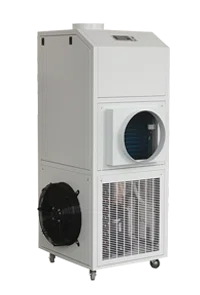
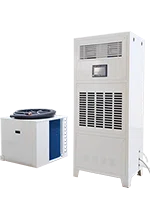
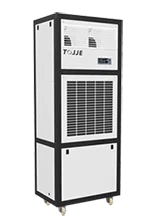
Rotary dehumidifiers provide an advanced solution for controlling moisture levels in food storage facilities. By using desiccant rotor technology, these systems can continuously remove moisture from the air, even in low-temperature and high-humidity environments where traditional dehumidification methods may struggle.
The Importance of Humidity Control in Food Storage
Food products are highly sensitive to environmental conditions. Temperature control is widely recognized as important, but humidity control plays an equally significant role in maintaining product quality.
Excess humidity in storage areas can cause:
-
Mold and fungal growth
-
Loss of texture and freshness
-
Packaging deterioration
-
Product clumping and sticking
-
Reduced shelf life
-
Increased waste and financial losses
By maintaining stable humidity levels, food storage facilities can create a cleaner, safer, and more reliable environment for various products.
Benefits of Rotary Dehumidifiers in Food Storage Facilities
Preventing Mold and Microbial Growth
High humidity creates favorable conditions for mold and bacteria growth. Rotary dehumidifiers help maintain dry storage environments that reduce the risk of contamination.
This is especially important for:
-
Grain storage
-
Dairy products
-
Bakery ingredients
-
Dried foods
-
Spices
-
Powdered food products
Stable humidity control supports better hygiene and helps food businesses maintain quality standards.
Extending Food Shelf Life
Moisture can accelerate chemical reactions and biological activity that affect food freshness.
By reducing excess humidity, rotary dehumidifiers help:
-
Preserve product quality
-
Maintain original texture
-
Reduce spoilage
-
Extend storage periods
Longer shelf life allows businesses to improve inventory management and reduce unnecessary product losses.
Protecting Packaging Materials
Many food products rely on packaging to maintain freshness and prevent contamination.
High humidity can damage:
-
Paper packaging
-
Cardboard boxes
-
Labels
-
Flexible packaging materials
Rotary dehumidifiers help maintain stable conditions that protect packaging integrity during storage and transportation.
Improving Powder and Dry Food Storage
Dry food products are particularly sensitive to moisture absorption.
Products such as:
-
Flour
-
Sugar
-
Milk powder
-
Instant beverages
-
Seasonings
can experience problems such as clumping, reduced flowability, and quality changes when exposed to humid air.
Rotary dehumidification systems maintain low moisture conditions to preserve product performance and handling characteristics.
Supporting Cold Storage Applications
Traditional refrigeration systems may struggle to control humidity in cold storage environments.
Excess moisture can cause:
-
Ice formation
-
Frost buildup
-
Slippery floors
-
Equipment efficiency problems
Rotary dehumidifiers are effective in low-temperature applications because they can remove moisture without requiring significant temperature reduction.
Common applications include:
-
Frozen food warehouses
-
Cold rooms
-
Refrigerated distribution centers
-
Food processing facilities
Enhancing Energy Efficiency
Modern rotary dehumidifiers are designed to provide efficient moisture removal with optimized energy consumption.
Energy-saving advantages include:
-
Heat recovery options
-
Efficient desiccant rotor operation
-
Reduced refrigeration load
-
Lower maintenance requirements
By reducing moisture-related problems, these systems can also help improve overall facility efficiency.
Applications of Rotary Dehumidifiers in the Food Industry
Food Processing Plants
Food manufacturers use rotary dehumidifiers to maintain controlled production and storage environments.
Applications include:
-
Ingredient storage rooms
-
Drying areas
-
Packaging zones
-
Finished product warehouses
Distribution Centers
Large food distribution facilities require consistent environmental conditions to protect products during long storage periods.
Rotary dehumidifiers help maintain stable humidity throughout large warehouse spaces.
Cold Chain Logistics
Humidity control is essential for preserving food quality during refrigerated transportation and storage.
Rotary dehumidification systems support reliable cold chain operations by reducing condensation risks.
Specialty Food Storage
Products with strict moisture requirements benefit from precise humidity control, including:
-
Chocolate
-
Coffee
-
Tea
-
Pharmaceuticals with food applications
-
Premium dry goods
Rotary dehumidifiers play an important role in improving food storage conditions by providing reliable moisture control, preventing humidity-related damage, and extending product shelf life. Their ability to operate efficiently in challenging environments makes them especially valuable for food processing plants, warehouses, cold storage facilities, and distribution centers.
By investing in advanced rotary dehumidification technology, food businesses can create safer storage environments, reduce waste, protect packaging quality, and improve overall operational efficiency.