
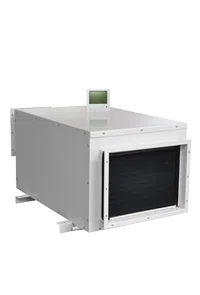
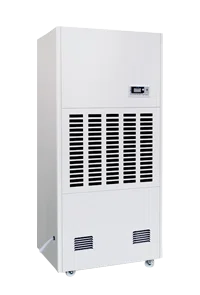
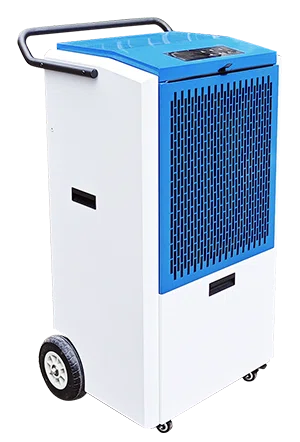
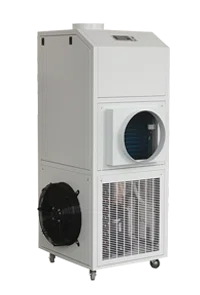
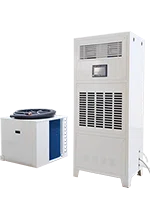
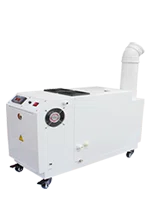
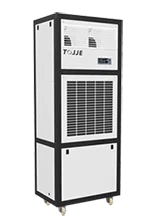
How Modern Industrial Dehumidifiers Support Carbon Reduction Goals
Industrial facilities are major consumers of energy, and controlling humidity is a critical part of maintaining product quality, equipment longevity, and employee comfort. Modern industrial dehumidifiers not only ensure optimal humidity levels but are also increasingly designed to align with carbon reduction and sustainability goals. This article explores how contemporary dehumidification technologies contribute to a lower carbon footprint in industrial settings.
1. Energy-Efficient Designs Reduce Carbon Emissions
Traditional dehumidifiers often consume large amounts of energy, which directly translates to higher carbon emissions. Modern units incorporate:
- High-efficiency compressors that use less electricity
- Variable speed fans to adjust airflow based on real-time humidity
- Advanced heat recovery systems that recycle energy for pre-heating or cooling processes
By reducing electricity consumption, facilities can significantly lower greenhouse gas emissions linked to power generation.
2. Smart Controls and Automation Minimize Waste
Modern industrial dehumidifiers are equipped with IoT-enabled sensors and automated controls. These systems:
- Monitor humidity levels in real time
- Adjust operation based on environmental conditions
- Integrate with Building Management Systems (BMS) for optimized scheduling
This level of control prevents unnecessary dehumidification, which reduces energy waste and carbon output.
3. Supporting Renewable Energy Integration
Facilities increasingly use renewable energy sources such as solar or wind. Many contemporary dehumidifiers are designed to operate efficiently with fluctuating power input, making them compatible with renewable energy and contributing to carbon reduction efforts.
4. Extending Equipment Lifespan
Moisture can corrode machinery, degrade materials, and shorten equipment life. By maintaining stable humidity, industrial dehumidifiers:
- Reduce maintenance frequency
- Prevent premature replacement of components
- Indirectly lower the carbon footprint associated with manufacturing and transporting new equipment
5. Compliance with Sustainability Standards
Many industries are adopting net-zero or carbon-neutral targets. Using energy-efficient, modern dehumidifiers can help facilities:
- Meet ISO 14001 environmental management standards
- Achieve LEED or BREEAM certifications for sustainable buildings
- Demonstrate corporate responsibility in carbon reporting
Modern industrial dehumidifiers are no longer just tools for moisture control—they are critical enablers of sustainable industrial operations. Through energy-efficient designs, smart automation, compatibility with renewable energy, and improved equipment lifespan, these systems help companies significantly reduce their carbon footprint while maintaining operational efficiency.