
How Attemperation Dehumidifiers Protect Moisture-Sensitive Electronic Components
Moisture control is essential in electronics manufacturing, assembly, testing, and storage. Excess humidity can cause condensation, corrosion, insulation degradation, and other problems that affect the reliability and service life of moisture-sensitive electronic components. Maintaining a stable and controlled environment is therefore a critical part of modern electronics production.
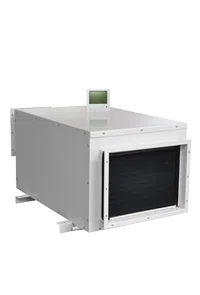
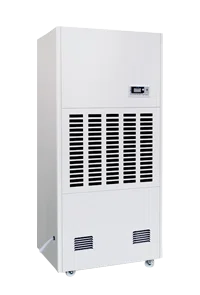
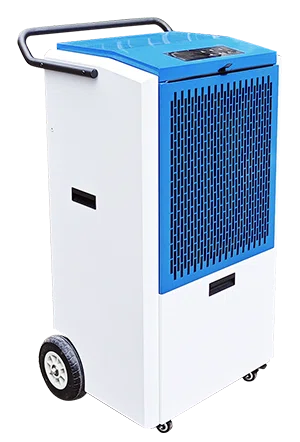
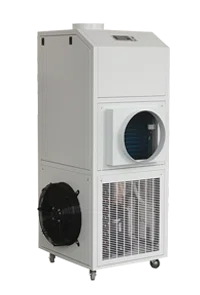
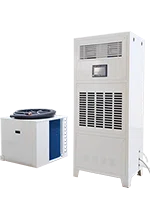
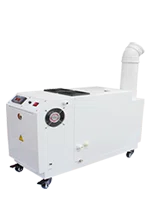
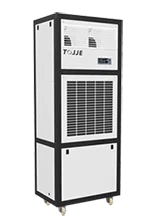
Attemperation dehumidifiers combine dehumidification with precise temperature management to help maintain suitable environmental conditions. By controlling both humidity and air temperature, these systems can provide a more stable environment for electronic components and sensitive production processes.
Preventing Condensation on Electronic Components
Condensation is one of the most important moisture-related risks in electronics environments. If the temperature of a component or surface falls below the dew point of surrounding air, water can condense on the surface.
Attemperation dehumidifiers help reduce this risk by lowering the moisture content of the air and maintaining a controlled temperature. A properly managed environment can therefore help keep sensitive electronic components dry during production, inspection, assembly, and storage.
Reducing Corrosion and Oxidation Risks
Metal contacts, terminals, connectors, and other conductive components can be affected by prolonged exposure to moisture. High humidity may accelerate corrosion and oxidation, potentially affecting electrical performance and long-term reliability.
By maintaining a lower and more stable humidity level, attemperation dehumidifiers can help create conditions that are less favorable for moisture-related corrosion. This supports better protection of components throughout their operational and storage cycles.
Supporting Electronics Manufacturing Processes
Humidity control is important in a variety of electronics manufacturing applications, including:
-
Printed circuit board assembly
-
Semiconductor component handling
-
Electronic connector production
-
Sensor manufacturing
-
Battery-related electronics production
-
Precision electronic equipment assembly
-
Component testing and inspection
-
Electronics warehousing
Stable environmental conditions can help manufacturers maintain consistent production quality while reducing moisture-related process disruptions.
Protecting Moisture-Sensitive Components During Storage
Electronic components may spend significant periods in warehouses or controlled storage areas before entering production. Poor humidity control during this stage can expose components to unnecessary moisture.
Attemperation dehumidifiers can provide continuous environmental control in storage spaces, helping maintain dry conditions and reducing the likelihood of condensation, corrosion, and moisture absorption. This is particularly valuable for components that require controlled storage conditions.
Improving Environmental Stability
Simply reducing humidity may not always be enough for sensitive electronics. Rapid temperature changes can alter relative humidity and create conditions favorable for condensation.
Attemperation technology helps address this issue by combining moisture removal with temperature management. More stable air conditions can reduce sudden environmental fluctuations and provide a more predictable climate for sensitive electronic components.
Attemperation dehumidifiers provide an integrated approach to environmental control by managing both moisture and temperature. For moisture-sensitive electronic components, this can help reduce condensation, corrosion, oxidation, and other humidity-related risks.
By creating a stable and controlled environment for manufacturing, testing, and storage, attemperation dehumidification technology can support product quality, process consistency, and long-term electronic component reliability. As electronics manufacturing becomes increasingly precise, effective humidity and temperature management will remain an important part of protecting sensitive components.