
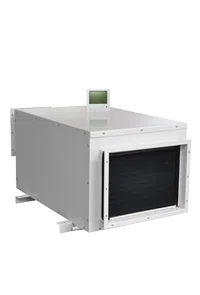
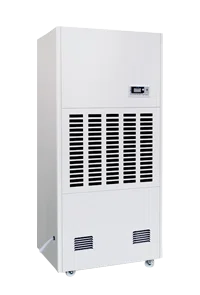
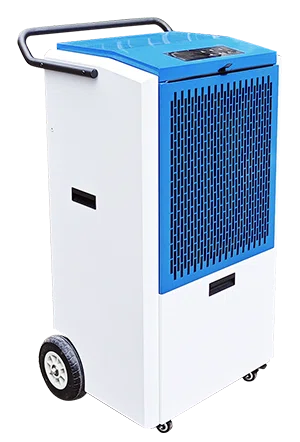
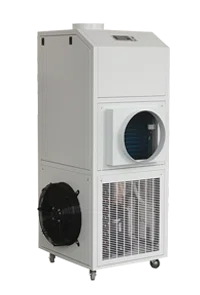
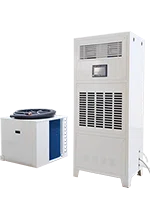
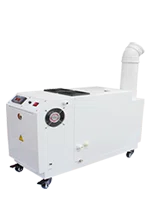
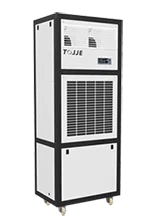
High-Capacity Industrial Dehumidifier for Extreme Humidity Environments
In industries where humidity levels remain consistently high, moisture control is not optional — it is critical. From tropical climates to heavy industrial production zones, excessive humidity can damage equipment, degrade materials, and compromise product quality. A high-capacity industrial dehumidifier provides a powerful and reliable solution for maintaining stable environmental conditions in extreme humidity environments.
Why Extreme Humidity Is a Serious Industrial Risk
Environments with relative humidity above 70% can cause:
- Mold and mildew growth
- Corrosion of metal equipment
- Electrical failures
- Product spoilage
- Condensation on walls and ceilings
- Structural deterioration
Industries such as food processing, pharmaceuticals, cold storage, marine facilities, and heavy manufacturing are especially vulnerable.
Types of Industrial Dehumidifiers for Extreme Environments
1️⃣ Refrigerant (Condensation) Dehumidifiers
Best suited for:
- Moderate to high temperatures
- Warehouses
- Manufacturing plants
They work by cooling air below its dew point to condense moisture.
2️⃣ Desiccant Dehumidifiers
Ideal for:
- Low-temperature environments
- Cold storage facilities
- Pharmaceutical production
- Areas requiring very low humidity
Desiccant systems use moisture-absorbing materials and are highly effective even in sub-zero conditions.
Key Benefits of High-Capacity Industrial Dehumidifiers
1️⃣ Prevents Corrosion and Equipment Damage
Moisture accelerates oxidation in machinery and electrical components. Proper humidity control extends equipment lifespan and reduces maintenance costs.
2️⃣ Improves Product Quality
In industries like food, electronics, and pharmaceuticals, excess humidity can:
- Alter chemical composition
- Cause packaging failures
- Promote contamination
Stable humidity ensures consistent product integrity.
3️⃣ Controls Condensation in Large Spaces
In large warehouses or factories, condensation can form on ceilings and drip onto goods. High-capacity systems maintain uniform air conditions to eliminate this risk.
4️⃣ Energy-Efficient Operation
Modern industrial dehumidifiers include:
- Smart humidity sensors
- Automatic defrost systems
- Variable-speed fans
- Energy recovery systems
These features reduce operational costs while maintaining optimal performance.
Applications in Extreme Humidity Environments
High-capacity industrial dehumidifiers are widely used in:
- Coastal manufacturing facilities
- Marine shipyards
- Underground tunnels and basements
- Paper and textile factories
- Battery manufacturing plants
- Flood restoration projects
- Indoor swimming pool facilities
They are especially critical in regions with tropical or monsoon climates.
Important Factors When Choosing a High-Capacity Industrial Dehumidifier
When selecting a system, consider:
- Moisture removal capacity (L/day)
- Airflow rate (CFM or m³/h)
- Coverage area (square meters or square feet)
- Operating temperature range
- Installation type (portable, ceiling-mounted, ducted)
- Power supply requirements
- Noise level
Proper sizing ensures maximum efficiency and prevents underperformance.
The Future of Industrial Humidity Control
Advanced industrial dehumidifiers now integrate with:
- Smart building management systems (BMS)
- IoT-based remote monitoring
- Automated humidity data logging
- Energy optimization algorithms
These technologies allow facility managers to monitor humidity levels in real time and respond proactively.
Conclusion
A high-capacity industrial dehumidifier is essential for controlling moisture in extreme humidity environments. By preventing corrosion, protecting products, and improving operational efficiency, these systems play a crucial role in modern industrial facilities.
Investing in the right industrial humidity control solution ensures long-term cost savings, equipment reliability, and consistent environmental stability.