
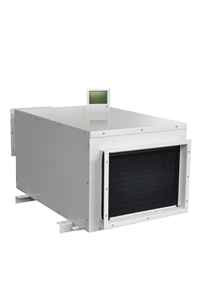
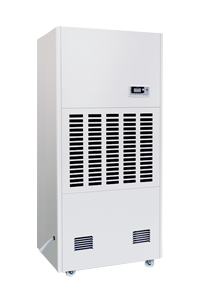
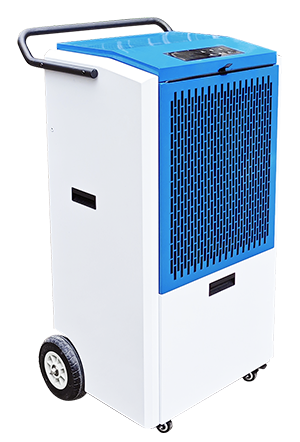
Energy-Efficient Industrial Dehumidifiers for Sustainable Factories
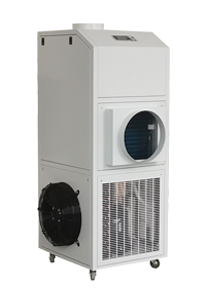
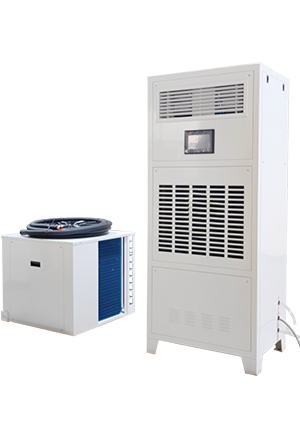
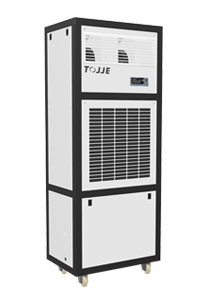
As global industries accelerate their transition toward greener operations, controlling humidity has become an essential part of building a sustainable manufacturing environment. Industrial dehumidifiers—once seen as simple moisture-removal tools—are now critical assets that support energy savings, product quality, and long-term operational efficiency. Modern energy-efficient industrial dehumidifiers offer a practical pathway for factories to reduce carbon footprints while maintaining strict climate-control standards.
Why Humidity Control Matters in Sustainable Manufacturing
High humidity presents more than just discomfort. In industrial settings, it can cause:
- Corrosion on metal components and machinery
- Product defects, especially in electronics, pharmaceutical, textile, and food processing
- Mold growth, compromising hygiene and safety
- Reduced energy efficiency of HVAC systems
- Higher maintenance costs
By stabilizing indoor humidity, factories can operate longer, cleaner, and more efficiently—directly supporting sustainable production goals.
How Energy-Efficient Industrial Dehumidifiers Work
Energy-efficient models differ from conventional units in several key ways:
1. Advanced Heat Recovery Systems
These systems reuse the heat generated during dehumidification to preheat incoming air. This significantly reduces the energy demand of HVAC heating operations.
2. High-Performance Rotary Desiccant Wheels
Desiccant dehumidifiers with improved wheel materials and optimized regeneration cycles consume far less energy while maintaining accurate moisture control—even in low-temperature or low-humidity environments.
3. Smart Sensors and Intelligent Controls
IoT-enabled sensors continuously monitor humidity, airflow, and temperature. The system automatically adjusts performance levels so it only consumes the energy required at that moment.
4. Variable-Speed Fans and Compressors
By modulating motor speed based on moisture load, these components eliminate unnecessary energy use and extend equipment lifespan.
Key Sustainability Benefits for Factories
✔ Reduced Energy Consumption
Energy-efficient models can reduce electricity usage by 20–50%, depending on factory conditions and humidity requirements.
✔ Lower Carbon Emissions
Less electricity consumption means lower greenhouse gas emissions—an essential metric for companies pursuing carbon neutrality.
✔ Better Indoor Air Quality
Consistent humidity control prevents microbial growth and protects workers’ respiratory health.
✔ Extended Equipment Life
By reducing moisture-related failures and rust, factories experience fewer breakdowns and reduced maintenance waste.
✔ Improved Product Quality and Yield
Stable humidity ensures smoother production lines and less scrap—key to sustainable and cost-effective manufacturing.
Where Energy-Efficient Industrial Dehumidifiers Make the Biggest Impact
- Electronics assembly lines requiring strict RH control
- Pharmaceutical cleanrooms with high standards for sterility
- Food processing plants needing safe, dry environments
- Textile factories, where moisture affects fiber strength
- Cold storage and logistics centers exposed to condensation
- Chemical and lithium battery plants, where moisture is a critical contaminant
Choosing the Right Energy-Efficient Dehumidifier for Your Factory
When selecting a model, consider:
1. Dehumidification Capacity (L/day or kg/h)
- Match equipment performance to your facility’s moisture load.
2. Type: Refrigeration vs. Desiccant
- Refrigeration types are efficient in warm, humid environments.
- Desiccant dehumidifiers excel in cold or low-humidity conditions.
3. Energy Efficiency Rating (EER)
- Higher EER = lower operating costs and reduced environmental impact.
4. Smart Control Features
- Look for remote monitoring, real-time alerts, and energy-optimization algorithms.
5. Maintenance Requirements
- Energy-efficient systems with washable filters and robust components reduce waste and service intervals.
Energy-efficient industrial dehumidifiers are more than climate-control tools—they're strategic investments that help factories achieve sustainability targets, increase productivity, and reduce operational costs. As industries continue moving toward low-carbon and high-efficiency practices, energy-optimized dehumidification will play a central role in shaping the future of smart, sustainable manufacturing.