
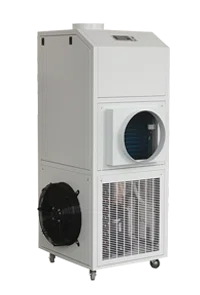
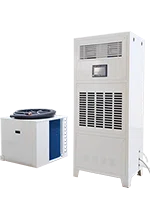
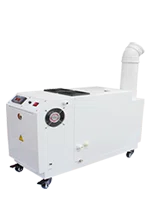
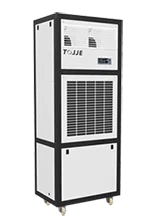
Advanced Industrial Dehumidifier Technologies for Climate-Sensitive Production
In many modern industries, maintaining precise environmental conditions is essential for product quality and operational efficiency. From pharmaceuticals and electronics to food processing and precision manufacturing, climate-sensitive production requires strict control over temperature and humidity. Excess moisture in the air can lead to corrosion, microbial growth, product defects, and equipment malfunction.
Advanced industrial dehumidifier technologies are now playing a vital role in solving these challenges. By integrating smart control systems, energy-efficient components, and high-performance moisture removal methods, industrial dehumidifiers help maintain stable indoor conditions and protect sensitive production processes.
Why Humidity Control Matters in Climate-Sensitive Production
Humidity levels directly influence many manufacturing processes. When moisture levels rise beyond acceptable limits, it can negatively affect raw materials, machinery, and finished products.
Key risks of uncontrolled humidity include:
- Product degradation or contamination
- Mold and bacterial growth
- Corrosion of machinery and metal components
- Reduced shelf life of packaged goods
- Static electricity or condensation affecting electronics
Advanced industrial dehumidification systems help stabilize humidity levels, ensuring consistent production quality and regulatory compliance.
Key Technologies in Modern Industrial Dehumidifiers
1. Desiccant Dehumidification Technology
Desiccant-based industrial dehumidifiers use specialized moisture-absorbing materials to remove humidity from the air. These systems are particularly effective in environments that require very low humidity levels or operate at low temperatures.
Advantages include:
- High moisture removal efficiency
- Reliable operation in cold environments
- Stable humidity control for sensitive production lines
Desiccant technology is widely used in industries such as pharmaceuticals, lithium battery manufacturing, and electronics production.
2. Refrigerant-Based Dehumidification Systems
Refrigerant dehumidifiers remove moisture by cooling the air below its dew point, causing water vapor to condense and separate from the air stream.
Benefits include:
- Energy-efficient performance in moderate humidity conditions
- Lower operational cost for large industrial spaces
- Effective moisture control in warehouses and factories
Refrigerant-based systems are commonly used in food storage facilities, logistics centers, and industrial workshops.
3. Smart Humidity Monitoring and Automation
Modern industrial dehumidifiers often include advanced sensors and intelligent control systems that continuously monitor environmental conditions.
Key smart features include:
- Real-time humidity and temperature monitoring
- Automatic humidity adjustment
- Remote control and data logging
- Integration with building management systems (BMS)
These features allow manufacturers to maintain precise environmental control while reducing manual intervention.
4. Energy-Efficient System Design
Energy consumption is a major consideration in large-scale industrial operations. Advanced dehumidifier technologies are designed to improve efficiency through:
- Heat recovery systems
- Variable speed fans and compressors
- Optimized airflow management
- Intelligent energy control algorithms
These innovations help reduce operational costs while maintaining optimal humidity control.
Industries That Benefit from Advanced Industrial Dehumidifiers
Climate-sensitive industries rely heavily on humidity control systems to maintain product quality and process stability.
Examples include:
- Pharmaceutical Manufacturing
- Electronics and Semiconductor Production
- Food Processing and Storage
- Battery and Energy Storage Manufacturing
Precise humidity levels are required to maintain chemical stability and meet strict regulatory standards.
Low humidity prevents condensation and electrostatic discharge that could damage sensitive components.
Controlling moisture helps prevent spoilage, microbial growth, and packaging failures.
Lithium battery production requires extremely dry environments to ensure safety and performance.
Advanced industrial dehumidifier technologies are essential for maintaining stable environmental conditions in climate-sensitive production environments. By combining desiccant and refrigerant technologies with intelligent monitoring systems and energy-efficient design, modern dehumidifiers provide reliable humidity control across a wide range of industries.